

Let Go or Stay Stuck: The Brain’s Greatest Dilemma
What if the hardest part of moving forward isn’t taking the next step, but letting go of the one you’re holding onto?
Alex Honnold clings to a granite wall, 2,000 feet above the valley floor. There is no rope, no harness, no room for error—only his hands and feet anchoring him to the rock. The sun casts warmth across the granite, but below him stretches an endless void. For most, this scene would be paralyzing, but for Alex, it is the culmination of years of precision and discipline.
And yet, he hesitates.
The next move isn’t obvious. His eyes scan the wall, seeking a path forward, measuring each possibility against the risks. Climbing is never just about strength; it’s about the mental calculus of knowing when to hold on and when to let go. Staying feels secure, but only for a moment—progress requires release.
But climbing—like life—isn’t just about reaching the next step. It’s about letting go of the one you’re on.
The Brain’s Reluctance to Let Go
Scientists have studied Alex’s brain, fascinated by how he can remain composed in situations that would overwhelm almost anyone else. His amygdala—the part of the brain that processes fear—remains unusually quiet. Where most of us would feel our instincts screaming at us to stop, Alex’s brain stays calm, as if the danger isn’t there.
But even Alex pauses before he moves. Because letting go isn’t just about the fear of falling—it’s about something far more entrenched. Being cautious is one way the brain protects us, but it’s only the surface layer of a much deeper mechanism. Letting go means confronting an entire network of instincts designed to anchor us in place—to people and things that are familiar, and to the comfort of what feels safe.
The human brain has evolved to prioritize survival above all else. Familiarity, even when it’s painful or limiting, signals safety. The known is predictable, and predictability feels secure. Letting go, by contrast, forces the brain to confront the unknown—a prospect it treats as inherently risky.
This reluctance isn’t just emotional; it’s also practical. The brain, ever the efficient machine, resists disrupting established patterns. Neural pathways are built through repetition, creating shortcuts that require little effort to follow. Holding on feels natural, effortless. Letting go demands something entirely different: a costly reconfiguration that the brain actively tries to avoid.
Alex’s muscles burn, his forearms trembling under the strain. His body screams for him to move, warning that he cannot hold this position much longer. Yet his brain resists, clinging to the illusion that staying put is safer. The fear of the unknown, the effort required to act, the false comfort of remaining where he is, and the pull of familiarity all conspire against the truth: he cannot stay here forever. The brain whispers that holding on is better than facing the uncertainty ahead, even as his body makes it clear that he must act before it’s too late.
Alex Honnold’s free solo climb of Heaven, a 3,000-foot vertical wall with a 40-foot overhang in Yosemite.
When Life Demands Movement
We face the same struggle in our own lives, whether it’s leaving a job that no longer fulfills us, a relationship that limits us, a tradition that feels hollow, or a belief that no longer aligns with who we are. Like Alex’s burning muscles, there are moments when everything within us urges us to let go and move forward. Yet our brains resist, clinging to the comfort of what’s familiar, conserving energy, avoiding risk, and insisting that staying is safer—even when every sign points otherwise.
And sometimes, it isn’t just an internal voice urging us forward. Sometimes, the times and circumstances themselves demand that we change. An industry collapses under the weight of automation, a long-standing institution is reshaped by shifting cultural norms, a way of life is upended by technological disruption, or deeply held beliefs are challenged by undeniable truths. Even then, even when life leaves no room to remain where we are, we cling, unable to release what once felt secure. It’s not logic or courage that holds us back—it’s the deep, primal instinct to stay anchored, even as the world tells us it’s time to move.
How We Move Forward
Understanding why we struggle to let go is only the first step. The harder part is deciding to act, to override the brain’s resistance and push through its instinct to cling to what feels familiar. Letting go isn’t just a moment of bravery—it’s a learned skill, one that requires us to deliberately reframe, reimagine, and reconfigure the way we approach change.
This is why I need everyone—and every organization—to understand that being stuck doesn’t mean you’re failing. You’re stuck because it’s the nature of the brain to resist disruption, to prioritize familiarity, and to avoid uncertainty. But we are living in a time when we no longer have the luxury of staying in one place. The world is shifting rapidly beneath our feet, and the cost of holding on is no longer just personal discomfort—it’s irrelevance, decay, or collapse.
The Processes That Free Us
For Alex to climb upward, he has to confront his brain’s resistance. The same is true for all of us. To let go, you need to interrupt the brain’s natural tendency to anchor itself to the known:
1. Curiosity: Reframing Fear as Exploration
Curiosity transforms the unknown into something worth discovering. Alex doesn’t view the next hold as a risk; he sees it as an unanswered question. In our own lives, curiosity allows us to shift focus from what we might lose to what we might gain. Asking What if? opens the door to possibility and helps us see uncertainty as an adventure rather than a threat.
2. Granularity: Breaking Down the Overwhelming
The brain often catastrophizes change, viewing it as a monumental and unmanageable task. Granularity counters this by breaking the challenge into smaller, actionable steps. Alex doesn’t focus on the summit—he focuses on the next three feet. In life, this means identifying the smallest step forward and focusing only on that. Granularity quiets the noise of overwhelm, making progress feel achievable.
3. Optimism: Believing in a Better Future
Optimism is the quiet acknowledgment that what you’re about to do is, in fact, possible. It’s not some extraordinary act or unattainable effort—it’s within reach, grounded in tools and skills you already have. Alex can be optimistic because climbing is something he knows intimately. He’s done it hundreds of times before. The terrain may be different, the stakes higher, but he is confident because he understands the task. He knows it can be done.
Ask yourself: is what you’re attempting truly impossible, or is it something you already understand? If you’ve been in a relationship before, then starting a new one isn’t beyond you. If the job you want, or the one you’re creating for yourself, involves skills you already possess or knowledge you’ve gained, why wouldn’t you succeed? If adapting to new technology or systems is something you’ve managed before, why wouldn’t you manage it again?
Optimism is a conversation with your brain—a way of examining your goal and reminding yourself that the unknown isn’t as unfamiliar as it seems. It’s not about blind faith but about reassuring yourself that moving forward isn’t uncharted territory. It’s simply the next step on a path you’ve walked before.
Why We Must Let Go Now
For individuals and organizations alike, the stakes have never been higher. The world is accelerating—industries are evolving, societal norms are shifting, and technology is rewriting the rules of how we live and work. The cost of staying still has never been greater.
You are not stuck because you lack talent, resources, or vision. You are stuck because it is the nature of the brain to hold on, to resist, to fight change. But the truth is, we are no longer living in a time where holding on is an option. Survival, growth, and flourishing all demand movement, and movement demands letting go.
The Final Ascent
At last, Alex moves. His fingers release the hold, his weight shifts upward, and his hand finds the next edge. It is deliberate and fluid, a motion that comes not from instinct but from years of practice—physical, mental, and emotional.
Letting go is not about abandoning what you value but about trusting that progress requires release. A climber does not let go carelessly; they let go because they know they must. They let go because they’ve trained for the moment when holding on becomes unsustainable, when the only path forward is to reach for something new.
The art of climbing mirrors the art of letting go. It is not an act of recklessness but one of precision and trust. It requires us to listen to the signals—whether from our muscles, our hearts, or the world around us—and recognize when staying in place is no longer an option. And, most importantly, it requires us to trust that the unknown ahead is worth the risk of leaving the familiar behind.

The Future Belongs to Teams
In a world that often glorifies the lone genius or standout performer, we’re forgetting something fundamental: real progress happens through collaboration.
When she boarded the bus in Montgomery, Alabama, that afternoon, she was tired—not just from the day, but from the weight of a life lived under segregation. She walked to a seat near the window, sat down, and stared out at the city as it blurred past.
The bus filled quickly. The driver’s voice rang out, cutting through the murmurs and shuffle of passengers. He ordered the "negro" riders to move so the white passengers could sit. She stayed where she was, her hands still, her back straight. The driver didn’t wait long. He stopped the bus, stepped off, and moments later, two police officers boarded. They approached her with the kind of authority that didn’t need explaining. They pulled her from her seat, walked her down the aisle, and led her into the squad car waiting outside.
She sat in the back, upright and composed. Calm, but not defeated.
It was March 2, 1955. And her name was Claudette Colvin.
*
If you thought this story was about Rosa Parks, you wouldn’t be wrong. Her name has come to embody the quiet strength and defiance of refusing to yield a seat on a segregated bus. But this moment happened nine months earlier.
And between Claudette Colvin’s act of resistance and Rosa’s, there was Mary Louise Smith, who also refused to move and was arrested for it. These stories share striking similarities, but Rosa’s is the one etched into history. We imagine her bravery as singular, her resolve as something summoned in an instant, fully formed and extraordinary.
But Rosa’s courage wasn’t sudden or solitary. It was the result of preparation. She, like Claudette and Mary Louise, attended workshops at the Highlander Folk School, where activists practiced how to endure insults, intimidation, and even arrest without breaking. These weren’t isolated acts of heroism—they were deliberate, supported by a movement that believed in the power of collective action.
Organizations like the NAACP, the Fellowship of Reconciliation, and CORE didn’t leave these moments to chance. They built the infrastructure, trained the people, and created the conditions that turned individual bravery into a movement capable of change.
*
Today, we still love the idea of the lone hero. We want to believe in the genius, the visionary, the standout performer who does it all alone. But that’s not how progress works, not really. It didn’t work that way on a Montgomery bus in 1955, and it doesn’t work that way in organizations today.
The Threat to Teamwork
The idea of the collective—the team—feels under attack. Social media tells us we don’t need anyone else to succeed. Platforms like TikTok, Instagram, and YouTube celebrate the individual, the personal brand. It’s all about the self-made story. Collaboration feels outdated, even unnecessary.
But that narrative is wrong. Technology might replace individual expertise—it can replicate precision, generate ideas, and even mimic human expression. But it can’t replicate what happens when people come together: the creativity, the adaptability, the diversity of thought. Those are the things that make teams powerful. And organizations that fail to understand this will fall behind.
The New Reality for Organizations
For years, we’ve celebrated high performers—the rainmakers, the standout salespeople, the innovators. And while their contributions matter, the reality is this: without strong teams, organizations fail.
The Myth of Individual Genius
No one is irreplaceable. Knowledge and skills are accessible now in ways they’ve never been before. What matters isn’t the genius of one person but the combined effort of many.
The Risk of Over-Reliance
When organizations depend on a few key people, they become fragile. High performers burn out. They leave. And when they do, what’s left? Without a team, the system collapses.
The Power of Teams
Teams bring together different ideas, experiences, and perspectives. They solve complex problems, adapt to change, and innovate in ways individuals can’t.
*
What We Can Learn
The story of Claudette Colvin, Mary Louise Smith, and Rosa Parks reveals a fundamental truth: transformative change doesn’t happen in isolation. We often imagine Rosa Parks’ defiance as a spontaneous act of personal bravery, but her impact—and the impact of Claudette and Mary Louise—was made possible by the careful planning and collective efforts of those who worked behind the scenes. Organizations like the NAACP, the Fellowship of Reconciliation, and CORE built the infrastructure, provided the training, and fostered the networks that turned individual acts into lasting change.
This contrasts sharply with the myth many organizations still cling to—that individual talent or genius drives success. The truth is, extraordinary outcomes are the product of collective preparation, shared purpose, and intentional collaboration. The old model of surface-level teamwork and occasional engagement is no longer enough. Organizations today face unprecedented forces pulling people away from the collective—social media’s glorification of individualism, shifting work preferences, and the illusion of self-made success.
As the era of “Too Big to Fail” fades, many organizations risk becoming “Too Small to Succeed.” The complexities of the future—economic disruption, technological transformation, and global challenges—will overwhelm those who rely solely on individual contributors. Teams that are deeply connected, well-prepared, and purpose-driven will define the next chapter of success.
The question is not whether your organization values teamwork—it’s whether you are actively building the structures to support it. Are you creating systems where collaboration thrives? Are you recognizing and rewarding collective success with the same enthusiasm as individual achievements?
What worked for the Civil Rights Movement works for organizations today: success depends on the strength of many. Those who embrace collaboration, invest in their teams, and prioritize shared goals will not only endure but lead the way forward. The future belongs to the collective.

The Secret to Survival: Lessons from the Smallest Life Form
Bacteria, Earth’s oldest and most successful residents, have survived billions of years with a surprising strategy. Their secret to resilience might also be ours.
Bacteria have been here since the beginning, long before us, before trees, before dinosaurs. They are tiny, unseen, but omnipresent, the invisible scaffolding of life itself. They thrive in the boiling heat of volcanic springs, the crushing depths of the ocean, the sterile emptiness of your countertop. They exist on your skin, in your gut, under your fingernails. You might recoil at the thought, but there’s something oddly comforting about them too. Bacteria have endured for billions of years. They were here before us, and they will likely outlast us.
In the light of a microscope, they appear as small shapes, simple forms—rods, spheres, spirals—suspended in motion. But this simplicity belies their brilliance. Their world is one of relentless adaptability. They replicate at staggering speeds, trillions of them born every second. Each new bacterium is almost, but not quite, identical to its parent. Small mutations occur—a different arrangement of genes here, a slight structural shift there. These differences might seem trivial, but they are everything.
Some bacteria will develop traits that let them endure the extreme acidity of a stomach or the suffocating cold of Antarctica. Some will flourish on the moisture of a teenage girl’s eyelash, others in the toxic chemicals of an industrial spill. In every generation, those best suited to their environment will thrive, and those that aren’t will quietly fade away. It’s not personal; it’s survival.
Over billions of years, this process has made bacteria the most successful life form in history. They are not the biggest, nor the smartest, nor the most beautiful. They win by being varied. By making small, constant changes. By ensuring that no matter what the world throws at them—heat, cold, pressure, drought, antibiotics—something in their ranks is ready to face it.
When you think about it like that, bacteria start to look less like microscopic organisms and more like a blueprint for survival. A model for resilience.
Diversity.
The word often feels weighted, like a social obligation or a corporate buzzword. It gets tangled up in politics, reduced to a checkbox exercise. In recent years, it’s become fashionable in some circles to dismiss the idea altogether. DEI—Diversity, Equity, and Inclusion—has been cast as a kind of reverse discrimination, an artificial leveling of the playing field for the so-called unqualified. But that argument is not only disingenuous—it’s dangerous.
Diversity is not a favor you do for others. It’s not a charity project or a quota to fill. It’s survival.
Bacteria figured this out eons ago. They didn’t set out to diversify as an ideal; they did it because it worked. The more varied their offspring, the better their chances of surviving whatever the planet threw at them. The same principle applies to us, to our organizations, our communities, our species. A group of people who think, act, and look the same will fail in the face of change because they will see the same problems and offer the same solutions. It is only by surrounding ourselves with different perspectives—by making room for people who can see what we can’t—that we stand a chance of navigating the unexpected.
DEI isn’t about charity or compromise. It’s about equipping ourselves for the future. The world is changing faster than ever, and with each shift, the old ways of thinking lose relevance. The problems we face—climate crises, technological disruption, social upheaval—are unprecedented. We will not solve them with a single approach. We will solve them by being as diverse and dynamic as the challenges themselves.
The bacteria, quietly thriving across every corner of the Earth, have known this all along. To endure, to flourish, you need variety. You need difference. You need diversity.
It is, in the end, the only way to survive.
P.S. A Thanksgiving Experiment
To all those in the U.S. preparing to gather around the Thanksgiving table this week: here’s a challenge for you. Test the value of diversity and inclusion where it matters most—your family dinner.
As you sit down, listen carefully. How many of the stories, jokes, and complaints have you heard before? How much of the conversation is just recycled from years past? Is anyone offering a new perspective, sharing a different experience, or challenging a long-held assumption? Or is the table an echo chamber of the familiar—reminiscing about what was, instead of imagining what could be?
This is the problem when our borders and doors are closed, even metaphorically. We learn nothing new. We think about nothing new. We are challenged by nothing new.
So, this year, if you find the same conversations circling the table like overcooked turkey, consider what’s missing. Ask a question no one expects. Invite someone into the conversation who might not have spoken up before. Or, if you’re brave, pull out your phone and read them the story about bacteria.
Because survival—thriving, even—isn’t about preserving tradition. It’s about adding to it. Expanding it. Surrounding yourself with people, ideas, and perspectives that make you stronger.
This Thanksgiving, be grateful for the comfort of your table, but don’t forget the power of inviting something—or someone—new to it.

The Cost of Silence
History shows us two paths: resilience or compliance. Today’s leaders must choose wisely, for only the courageous will shape the future.
Last week, I wrote about resilience—the strength and endurance we’ve inherited from ancestors who weathered famines, wars, revolutions, and disasters. Our presence here is a testament to the persistence of those who faced these challenges head-on. But as I reflected on that story, I realized I’d left out a critical part of our shared history: not everyone who survived hardship did so through courage or integrity. Many, even among those we call our ancestors, survived by choosing compliance over conviction, by bending to power instead of upholding values.
Throughout human history, there have been those who stood for their beliefs, even when everything was on the line. They are the ones who protected their communities, who resisted oppression, who, despite the risks, upheld what was right. This is the legacy of resilience we celebrate and the source of strength we often claim. But we also have a history of individuals who chose a different path—a path marked by acquiescence, by self-preservation, and, often, by complicity in the suffering of others.
In every era, some have survived by aligning with power, not principle. They bowed to conquerors, abandoned the values of their communities, and traded integrity for safety. Rather than standing up to injustices, they became willing enforcers, choosing submission as the easiest route. Their choice wasn’t to defend their fellow humans but to shield themselves. And as they did so, they strengthened the very systems that oppressed others. This legacy of conformity and compromise has shaped us, too, and it serves as a reminder that not all who survive are heroes.
Today, in a world fractured by divisions and demands for change, this legacy feels especially relevant. We’re witnessing a shift in the expectations people have for their leaders. New generations entering the workforce are no longer content with leaders who stay quiet in the face of injustice or cling to outdated ideals of “neutrality.” They’re not looking for leaders who protect profits at all costs or avoid the fray to keep everyone comfortable. They want to work for something bigger than a paycheck; they want purpose, authenticity, and leaders who have the moral courage to stand for what matters.
This rising demand for principled, resilient leadership is clear. People want more than to be told to stay in line—they want leaders who reflect their values, who commit to social justice, environmental stewardship, and the protection of human rights. In a world as transparent as ours, silence in the face of oppression is no longer perceived as neutrality; it’s seen as cowardice. And a growing number of people are unwilling to follow leaders who remain silent or stay safe at the expense of their convictions.
If history shows us anything, it’s that progress isn’t made by those who stay silent in the face of injustice. True change comes from people who are willing to risk comfort and security to stand up for others. The leaders who will shape the future are those who carry forward this legacy of resilience, embracing values-driven leadership rather than hiding behind a guise of “calculated detachment.” As the world changes, so do the metrics of success. Leaders who ignore this shift will lose the loyalty of those who are actively building the future—a generation that demands integrity and purpose as the foundation of leadership.
So, look closely at your organization. Look at your leaders. Are they quietly clinging to comfort, avoiding the hard choices? Or are they the ones who understand that resilience means more than survival—it means standing up for what is right and leading a culture that values more than profit? Support and empower these courageous leaders, for they are the ones who carry forward the true legacy of resilience, those who understand that in times of change, strength lies not in yielding but in standing firm.
Both resilience and conformity—courage and cowardice—shaped our past, but only one should define our future.

Building Resilience Amid Constant Change
Stress and anxiety are now part of everyday life, fueled by political upheaval, global instability, and constant workplace change.
The U.S. presidential election is less than two weeks away, and the tension in the air is almost tangible. It’s as if the entire country is on edge, waiting for something to break. But the election is just one piece of a larger, chaotic picture—pandemics, economic collapse, technological disruptions, and the worsening climate crisis. There’s been no time to catch our breath, no time to settle into anything resembling normalcy. Anxiety isn’t just lingering in the background anymore—it’s in every corner of life.
And it’s not just individuals feeling the strain. Leaders, too, are confronted with their own crises as work environments shift rapidly. Technology is evolving faster than anyone can keep up with, generational perspectives on work are colliding, and the very idea of what “work” means is being reconsidered. It’s a lot. It’s more than a lot. It’s pushing people to their limits.
How to Face Overwhelming Anxiety
Right now, stress feels unavoidable, doesn’t it? The question is, how do we handle it? How do we, as people and as leaders, stop ourselves from crumbling under all this pressure?
The answer doesn’t come from pretending it’s all fine or forcing positivity. The answer lies in something real: stress inoculation. It’s a science-based idea that turns conventional wisdom on its head. Instead of running from stress, it encourages us to confront it in small doses. By doing so, we build up our ability to handle the bigger challenges ahead.
How Our Brains Respond to Stress
Our brains are naturally inclined to seek comfort and predictability because they save energy that way. In familiar situations, everything runs on autopilot; we barely have to think about it. But when change hits—whether it’s a political crisis, a personal upheaval, or a sudden shift at work—our brains have to work harder, and that’s when stress kicks in. It’s not surprising we resist change. It’s energy-draining and overwhelming.
But here’s the thing: avoiding stress doesn’t build resilience. While it might feel good in the short term, it leaves us unprepared for the next wave of challenges. The good news? We can train our brains to cope. Just as vaccines help our immune system fight off diseases, small doses of stress can teach our brains how to handle pressure better.
Resilience: The Key to Leading Through Uncertainty
In times like these, resilience isn’t just helpful—it’s essential, especially for leaders. Leaders who know how to build resilience within their teams will find themselves much better equipped to handle rapid technological changes, generational clashes, and the constant reshaping of the work landscape. It’s about more than surviving—leaders who focus on resilience create a culture that thrives through uncertainty. As the election looms, the economy wavers, and the world shifts, resilience is the only strategy that offers a real chance of navigating it all successfully.
Preparing for Stress: A Science-Based Approach
There are real, actionable steps you can take to build resilience, both for yourself and your team. It’s not about avoiding stress or pretending it doesn’t exist—it’s about anticipating it, preparing for it, and using it as a tool. By understanding how our brains work under pressure, we can hack the process and move through stress with less resistance. The world isn’t slowing down anytime soon, but resilience helps us face whatever comes next with strength, rather than fear.
*
Step 1: Anticipate Stress, Don’t Avoid It
Our brains crave predictability. It’s why we rehearse difficult conversations in the shower or mentally prep before a big meeting. Imagining stress before it happens may seem strange, but doing so gives the brain a sense of familiarity that can make the actual moment easier. Rather than sidestepping uncomfortable situations, try walking yourself through them in advance—whether it’s a tough talk with a friend or presenting a new idea at work. Visualizing the event can soften the brain’s reaction, reducing the anxiety spike.
Stress crops up in all areas of life. When you’re planning a project, you probably already map out timelines, budgets, and deadlines. Now, add a layer of stress management. Identify points of tension—a tight deadline, a client meeting, a difficult review—and talk them through with your team. Have everyone consider potential anxieties and how they might respond. By doing this, you help your team build a sense of control before the stress arrives.
The goal isn’t to erase stress but to anticipate it, giving your brain time to process. When a situation feels familiar, it becomes less overwhelming. Anticipation builds resilience and keeps stress manageable.
Step 2: Build Resilience Through Gradual Exposure
Resilience isn’t built overnight; it’s a gradual process, like strength training. Now that you’re mentally prepping for stress, it’s time to tackle small stressors in real life, one at a time. Each small, manageable challenge strengthens the brain’s capacity to cope with bigger issues.
Start small. If you dread public speaking, try speaking up in smaller settings, maybe with a handful of close colleagues. For personal challenges, think about setting minor boundaries—saying “no” to small requests or sharing a bit more of your opinion. With each step, you’re reinforcing your brain’s ability to handle bigger stressors down the line. Over time, you’ll find it easier to tackle deeper emotional issues, whether in relationships or in larger group settings.
Each challenge strengthens the brain’s pathways for emotional control and problem-solving. Eventually, situations that once felt paralyzing become manageable. By taking on stressors gradually, you’re training your brain to handle greater pressure with more confidence and clarity.
Step 3: Focus on Success, Not Mistakes
We’re often told “you learn from your mistakes,” but that’s not quite how the brain works. Our brains actually learn better from success. Imagine driving from New York to LA—there are countless ways to get lost, but only a few routes that take you smoothly across the country. Your brain doesn’t hold on to every misstep; it remembers the successful path. That’s why we tend to repeat mistakes—our brains prioritize what went right over what went wrong.
Marshall Goldsmith’s Feedforward method builds on this idea. Traditional feedback tends to focus on errors, which can trigger defensiveness or a cycle of self-blame. Feedforward, however, shifts the focus to what can be improved for the future, freeing you from dwelling on past mistakes. It’s about looking ahead rather than obsessing over the past, allowing you to move forward without the weight of previous errors.
This focus on future success not only reduces anxiety but strengthens resilience by keeping you moving in the right direction.
Step 4: Conduct a Stress Audit
Small stressors build up, draining our energy and limiting our ability to face bigger challenges. Over time, everyday annoyances—emails piling up, a cluttered workspace, minor miscommunications—chip away at our mental bandwidth. A Stress Audit is a way to identify and reduce these “energy drains,” both at work and at home.
Start with your personal space. Are the dishes piling up? Is your desktop a mess? Small irritants eat into your focus. In a team setting, look at communication breakdowns, unclear expectations, or redundant tasks. These minor issues don’t just slow productivity—they wear down resilience, bit by bit.
The Stress Audit helps pinpoint sources of stress and clear them away, freeing up mental energy for bigger challenges. Once the small stressors are minimized, both you and your team can direct your energy toward more significant goals, with the mental space needed to handle major disruptions with confidence.
Closing Thoughts
Resilience isn’t a trait you’re born with; it’s something you build over time. By anticipating stress, exposing yourself to it gradually, focusing on what works, and auditing everyday stressors, you’re creating the conditions to face any challenge that comes your way. In a world that’s always shifting, resilience allows us to move forward with clarity and strength. With these steps, you’re not just surviving the chaos—you’re thriving within it.
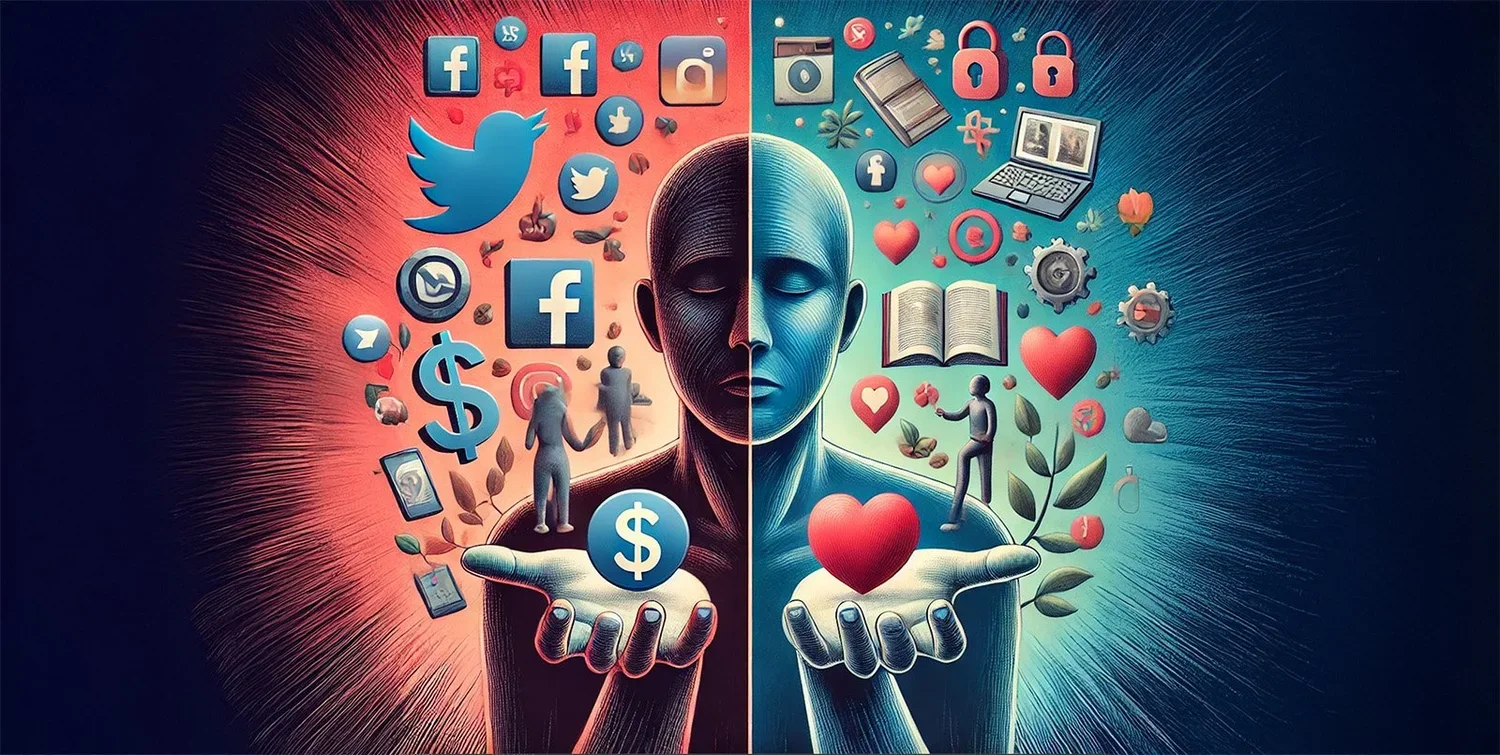
The Commoditization of Everything
Today, social media influencers and private equity firms profit from everything, including people’s lives. What was once limited to celebrities is now everyone’s reality, with over 50 million creators exploiting personal stories for revenue.
My friend never expected to go viral. She never even set out to be an influencer. When she first created her TikTok account, it wasn’t to monetize her life, build a personal brand, or ride the algorithmic wave of the internet. It was something far more genuine, almost naive. She was a woman in her 50s, navigating a divorce after 24 years of marriage, and she thought her story might help others like her—people standing at the edge of a new, terrifying, but potentially liberating chapter. Her videos were intimate, honest, and unpolished. She laughed about the absurdities of mid-life reinvention, but there were also tears. Real, heavy tears, as she spoke about the loneliness, the fear, and the grief of letting go of the life she thought she would have forever.
What started with a handful of followers quickly grew to 25,000 in a matter of months. People—mostly women, but some men too—found solace in her vulnerability. Her message of surviving and thriving after such a monumental shift resonated deeply with a community that often feels overlooked. For a brief moment, it seemed like the perfect use of social media: to connect, to heal, and to share something real.
Then, the nightmare arrived.
A client alerted her that her TikTok videos had been repurposed on YouTube. A nameless creator—someone who knew how to play the dark game of the algorithm—had taken clips of her most vulnerable moments and plastered them across the platform with headlines that twisted her words and intentions. “53-Year-Old Woman Destroys 24-Year Marriage Because She Was Bored,” one title read. Another: “She Divorced Her Husband of 24 Years Because She Just Felt Like It.” Her tears, moments she had shared in the hopes of helping others, were now being exploited for outrage, for clicks, for engagement.
The YouTube video exploded, but not in the way her TikToks had. This time, the comments were full of anger and judgment. Strangers blamed her for the failure of her marriage, accusing her of selfishness, of cruelty. They dug into her personal life, revealing her real name, tracking down her personal details, and mocking her pain. A faceless creator had taken her story—something profoundly personal and raw—and twisted it into a spectacle of shame. Her honesty had been commoditized, turned into just another product to fuel the social media outrage machine.
Exploiting the lives of others used to be reserved for Hollywood stars, professional athletes, and politicians. The National Enquirer could only feature so many stories, so even when gossip became a national pastime, there was a limit to the spectacle. Now, with an estimated 50 million creators across platforms like TikTok, YouTube, and Instagram, everyone is fair game. Whether you’re sharing deeply personal moments or just living your life online, someone is waiting to repurpose that for their own gain, to turn your pain or joy into their profit.
What happened to my friend is happening everywhere, on every level, as our lives—our stories, our emotions, our identities—are increasingly seen as commodities. In the world of social media, influencers are the new face of this commoditization. Their fame isn’t built on talent or innovation, but on the manipulation of visibility—what the algorithm rewards is not necessarily what is meaningful or creative, but what can generate clicks and keep people scrolling. In many cases, influencers don’t create at all; they steal—repurposing the ideas, jokes, and struggles of others for their own gain. And the reward? Attention, sponsorships, brand deals, all built on content that isn’t their own. Like my friend’s story, repurposed for drama, the originality and purpose behind the content is lost, replaced by sensationalism and spectacle.
But it isn’t just social media that’s falling prey to this commoditization. Private equity, too, is in the business of extracting value, of reducing the complex and human into something that can be monetized. Over the past decade, private equity firms have quietly taken over massive sectors of the economy, most notably healthcare. What was once a system designed to provide care, to prioritize patients, has been turned into a machine for profit. Hospitals, nursing homes, and urgent care centers are bought, repackaged, and streamlined, not to make them better, but to make them more profitable. Patient care becomes secondary to efficiency and revenue targets.
And now, professional service firms are next. Law firms, accounting firms, architectural firms, consulting firms—many of these are expected to be owned by private equity within the next decade. What happens when the mission of these firms is no longer to serve their clients but to meet quarterly earnings? What happens to the trust between professionals and their clients when that relationship is reduced to a transaction, where every interaction is a means to an end, and that end is profit?
Private equity firms strip away the heart of a company in much the same way influencers strip the meaning from original content. They gut the purpose, the mission, the values, and leave only the shell—a hollow structure that serves no purpose but to drive revenue. The culture, the relationships, the care, all become expendable.
This commoditization, this shift toward turning everything into something that can be bought, sold, and traded, is not just shaping industries, it is reshaping the very fabric of our lives. In healthcare, patients become numbers on a balance sheet. In social media, pain and joy become tools to drive engagement. In law firms and consulting firms, clients become nothing more than a revenue stream to be maximized.
There are exceptions, of course. Patagonia’s Tin Shed Ventures, Satori Capital, Generation Investment, and KKR’s Global Impact Fund are private equity firms that aim to align profit with purpose, to invest in businesses not just for their financial returns but for their ability to make a positive impact. But these firms are rare. Most of the time, private equity—and the influencers who dominate social media—are not interested in creation or contribution. They are interested in extraction. They take what is valuable, what is human, and reduce it to something that can be monetized.
As more and more of our lives—our work, our stories, our identities—are turned into products to be bought and sold, we risk losing the things that make those lives meaningful. Not everything should be commoditized. Some things—our care for one another, our trust in the professionals we rely on, our stories—are too precious to be reduced to a transaction.
But if we continue down this path, if we allow the logic of the algorithm and the demands of the marketplace to dictate what is valuable, we will find ourselves living in a world where nothing is sacred, where everything is up for sale, and where we are all just another product, waiting to be repurposed for someone else’s gain.
In this case, adapting doesn’t mean giving in to these trends; it means defending what truly matters. We must prepare to fight for the things we value—not what makes money, but what makes life meaningful. The call to adapt or die in this context is not about yielding to commoditization, but about standing up against it, preserving what is human in a world increasingly driven by profit and efficiency.

Your Climate Change
Just as natural disasters warn of an urgent need to adapt, the shifting landscape of technology, social dynamics, and employee expectations signals a critical moment for organizations.
In the last month, we’ve witnessed a series of devastating climate events that have shaken communities across the country—hurricanes battering Florida and North Carolina, wildfires blazing across California, and extreme droughts in Arizona. These events aren’t anomalies; they’re part of a broader shift. The climate has changed, and while many acknowledge this reality, the challenge isn’t simply about awareness—it’s about action. The same applies within your organization.
You recognize things are changing. New technologies are quietly reshaping daily routines. Generational shifts are occurring. Social and political divisions are influencing workplace dynamics. Rising costs are affecting employees' lives, and time pressures are greater than ever. The real issue isn’t denial; it’s a lack of imagination. Leaders and managers know the organizational climate is shifting, but they struggle to envision what the future holds and how best to prepare for it. Many people fail to fully comprehend the long-term impact of global climate change, and a similar paralysis occurs within organizations. While there’s recognition of change, hesitation follows when it comes to taking action.
This isn’t merely a collection of small, disconnected disruptions—it’s something more profound. What’s missing is the capacity to imagine a radically different future for your organization, a future where old practices no longer apply, and new strategies are urgently needed.
Climate vs. Weather in Organizations
To understand what’s happening, consider the difference between climate and weather. The climate of an organization is like the climate of a geographic region. Climate refers to the consistent, long-term patterns of behavior, attitudes, and experiences that shape the workplace over time, much like the climate in nature reflects the average weather conditions in a region over decades.
However, just as large countries can have multiple climates—Arizona’s desert climate, Florida’s tropical climate, and Alaska’s snowy, cold climate—organizations can have distinct climates across different teams or offices. One department may foster a collaborative, positive environment, while another may feel competitive and tense. These differences depend on leadership styles, team dynamics, and local work cultures.
Weather, on the other hand, refers to short-term, day-to-day fluctuations in mood or conditions. In an organization, a stressful project or a particularly busy week might be like a passing storm. It doesn’t necessarily change the overall climate, which remains stable over time. Similarly, you wouldn’t judge a region’s climate based on a single rainy day, and you wouldn’t judge an organization’s climate based on one tough week. The key lies in understanding the long-term patterns.
But here’s where the failure of imagination emerges. Global climate change is altering what were once stable, predictable weather patterns, and the shifts in organizational climate are disrupting what previously seemed certain. The workplace you thought you knew is evolving, and leaders must adapt to ensure their teams thrive in this new reality.
The Imagination Gap
The challenge is not that leaders are oblivious to these shifts—they see them. The problem is that many don’t know how to respond. There’s a gap between recognizing the signs of change and acting on them. Many individuals hesitate to address global climate change because they can’t fully envision the future, and the same hesitation can happen within organizations. Leaders and managers often delay because they don’t have a clear picture of how to handle the shifts they’re observing.
In Florida, residents knew a hurricane was coming, but few anticipated its full impact. They had experienced storms before and assumed normal life would resume afterward. The same can be said of the ongoing droughts and wildfires in Arizona and California—people are aware, but the ability to grasp how drastically these regions will transform is limited. Similarly, within organizations, many leaders recognize that new technologies, evolving employee expectations, and shifting social norms are reshaping the workplace, yet they hope things will return to a familiar state.
But waiting for normalcy is not a strategy. Just as waiting for the next hurricane isn’t a viable plan, neither is hoping that your organizational climate will stabilize on its own. The storm is already here, and the longer you wait, the harder it will be to adapt to these changes.
Shifting the Organizational Climate
The work landscape has been permanently altered. Remote work is here to stay. AI and automation are becoming central to daily operations. Social activism now influences not just policies but the core of corporate values. And employees are bringing more of their concerns—about rising costs, time pressures, and well-being—into the workplace than ever before.
The parallels between the global climate crisis and the organizational climate crisis are undeniable. Both require a rethinking of how to approach the future. Natural disasters are no longer rare events but markers of a changing reality, and the shifts in your workplace aren’t temporary disruptions—they are signals of a new normal. The question is: How do you prepare for this new landscape?
Steps to Adapt Your Organizational Climate
The first step is to imagine a different future and accept the urgency of change. Here are three practical actions you can take to prepare your organization for the evolving climate:
1. Create a “Future Forecast” Practice
Environmental scientists use climate models to predict how the world might change, and managers can take a similar approach in their organizations. Set up regular “future forecast” sessions where your team explores how changes in technology, social expectations, or market conditions might shape your business in 5, 10, or 20 years.
Exercise: Hold quarterly "Scenario Planning Sessions." Divide your team into groups, each tasked with exploring a different trend (e.g., AI advancements, market shifts). Have them create both optimistic and pessimistic scenarios and discuss how your organization can prepare for each.
2. Launch a “Climate Tracker” Dashboard
Traditional metrics like employee engagement are important, but they no longer tell the full story. You need to track attitudes that reflect adaptability, curiosity, and openness to change. Create a dashboard that shows where your organization stands on these indicators, and make it a regular part of team discussions.
Exercise: Develop a recurring "Climate Pulse Survey" that measures attitudes like curiosity, optimism, and adaptability. Include metrics like participation in skill-building programs or involvement in innovative projects. Display the results on a shared dashboard and review them monthly to celebrate positive trends and identify areas for improvement.
3. Incorporate “Imagination Days” into Routine Work
Much like Earth Day raises awareness of the environment, “Imagination Days” can keep your teams thinking about the future. Set aside time for brainstorming and problem-solving around potential disruptions. Encourage cross-department collaboration to generate new ideas and keep the future front and center.
Exercise: Host a biannual "Innovation Jam" where cross-functional teams tackle future workplace challenges, such as adapting to AI advancements or shifting employee needs. Recognize the most promising ideas and commit to exploring their feasibility. This ensures that creativity and problem-solving remain central to your organizational climate.
For additional exercises and Next Steps, you can download this Climate Change booklet:
Conclusion: The Climate Has Changed—So Must You
Just as communities must adapt to the realities of global climate change, so too must organizations confront the new dynamics reshaping the workplace. The warning signs are clear: both the climate of our planet and the climate within your organization have shifted, and the consequences of inaction are severe. The time to act is now.
You can wait for the storm to pass, or you can seize this moment to reimagine your future. The urgency is undeniable—whether it’s the climate of the world or the climate of your organization, change is happening, and your response will shape the future.
The Collapse of Trust: How Divided Realities Tear Worlds Apart
In a time of clashing beliefs and fragile facts, trust isn’t a universal standard—it’s built on shared values and expectations.
Imagine living in the early 1600s when society was at a crossroads in understanding the universe. Half the population believed that the Earth was the center of everything, and the Sun, along with all the stars, revolved around it. This idea, known as the geocentric model, was deeply rooted in centuries of religious and philosophical thought. Then came Copernicus with his heliocentric theory, suggesting that the Earth orbited the Sun. It was radical, almost offensive, to many. This wasn’t just a scientific debate; it was a clash of worldviews. Accepting a new model meant questioning long-held beliefs, undermining the authority of the church, and, for many, changing the way they understood their place in the cosmos.
People resisted the heliocentric theory not simply because they doubted the science. They resisted because it threatened their social reality—the collective understanding that shaped their world. Social reality is powerful. It defines what we consider normal, true, and valuable. When that reality is challenged, it can feel like the ground beneath us is crumbling. And this wasn’t the only time reality shifted. Think of the transition from believing in divine monarchies to democratic rule, or more recently, the shifts in understanding around issues like gender and identity. Each transition brought upheaval, resistance, and, ultimately, a realignment of what society accepted as “truth.”
The Construction of Reality
Social reality isn’t an objective truth; it's a construct of our minds, which is why these disagreements arise. Our brains actively shape our social reality through a complex process influenced by our experiences, what we’re taught, what we learn, what we accept and choose to believe, and what we reject. Over time, these factors create a framework in our minds, defining how we perceive everything around us.
For example, when a tree falls in the woods, it doesn’t ‘make a sound’ in the way we often think. It creates sound waves, but it’s our mind that interprets these waves and decides they are a “crash.” We learned to label that noise through our experiences. Similarly, color isn’t inherent in objects. An apple isn’t ‘red’ by nature; the ‘redness’ is a mental construct. Our brain interprets light wavelengths and assigns color based on what we’ve been taught.
The same goes for more abstract concepts, like what we find funny or how we define love. A joke that makes one person laugh might fall flat for another because humor, like color, is shaped by our upbringing, culture, and experiences. Love works the same way; we each have our own idea of what love looks and feels like, constructed from the stories, relationships, and lessons we’ve absorbed over time. In each case, our minds create meaning based on what we’ve learned, not on an inherent truth in the world around us.
This constructed reality is generally shared with others. We often have a common social reality within our families, communities, societies, or even as a world. But sometimes, individuals break away from the common social reality, creating their own beliefs or aligning with others who exist outside the norm. Society functions when the majority of people share a social reality—it provides a foundation for agreement on what is right, wrong, real, or fake. But when these shared realities fracture, society can descend into chaos and conflict. That is the world we’re living in today, and it’s at the root of much of the stress and uncertainty we feel.
Consider money as an example of social reality in action. A $20 bill is just a piece of cotton and linen, practically worthless in terms of its material. Yet, because we have all agreed that it represents a specific value, it becomes meaningful in transactions. Now, what if a group starts rejecting that agreement, claiming that the bill is only worth the paper it’s written on—three cents? Technically, they aren’t wrong. But this alternate belief disrupts the shared reality that underpins our economy, creating a divide that’s almost impossible to bridge.
Conflicts in Social Realities
We are now living in a time when social realities are in conflict. We look at half the population and ask, What are these people thinking? We see science and expertise dismissed in favor of individual opinions and conspiracy theories. Cable news channels offer “alternative facts,” and social media gives an equal platform to anyone who can create a fake name and avatar—or, even more concerning, a more influential platform to those who can accumulate the most followers, regardless of their credibility. Our social realities of what is good, what is bad, what is right, what is wrong, what is true, what is false, what is real, and what is fake are no longer clear. The lines have blurred. As a result, trust becomes increasingly impossible. Without a common reality, there is no common ground on which trust can be built.
This is what makes navigating different social realities so hard. When Copernicus introduced the heliocentric theory, it wasn’t merely a new idea; it was a threat to the existing reality. People had to choose: continue living in a universe where everything revolves around them, or accept that they’re part of a much larger, less human-centered system. Social reality, once fractured, makes coexistence increasingly complex.
Trust and Social Reality
This brings us to trust. Everyone assumes they know what trust is, but most don’t. We’ve been taught a romanticized version of trust, defined by ancient philosophers and poets, and passed down to business leaders, educators, and self-help gurus who talk about it today. It’s often described as a symbol of virtue, a mark of moral character. To be trustworthy is seen as the epitome of a reputable person. But that’s not how our brain sees it.
There are two things you should know: our brain doesn’t want us to be transparently trusting, nor does it want us to be fully trustworthy. If we were, we’d be vulnerable to those who might take advantage of us. Think of it this way: if a giant “T” for trustworthiness were tattooed on our foreheads for everyone to see, it would be easy for others to exploit us. Our brains evolved to keep some level of mystery and protectiveness, allowing us to navigate social interactions without exposing everything. Trust, then, is not a universal virtue. Instead, it is a negotiation—an alignment of beliefs, standards, and expectations.
We often don’t consider trust this way, especially when it comes to non-human things. If you don’t trust your car to make a cross-country trip, it’s not because the car has failed some moral test; it’s an objective judgment based on its condition and track record. Similarly, if you don’t trust a train to arrive on time, it’s not a reflection on the train’s integrity. We’re perfectly rational in how we assess trust in machines, systems, and schedules. But with people, we make it personal. We turn trust into an ethical judgment, as though it reflects some inner virtue or flaw.
But trust in people follows a similar logic. To trust someone, you need to believe they align with your own social reality. Let’s break this down into key elements:
Competency
Trusting in someone’s competency means believing they have the experience, expertise, and knowledge to handle a task in the way YOU expect. But what defines competency can vary greatly depending on your reality. You might believe only someone over 50 is qualified for a certain job, or perhaps, in the context of new technology, you might think only those under 30 have the necessary skills. Your standards, your beliefs, your social reality shape who you trust.
Character
Character is often seen as the moral aspect of trust, but it’s not absolute. It depends on how well someone fits into your idea of what is right, fair, or ethical. One person’s sense of integrity might completely clash with another’s. Trust in character is about aligning with your beliefs of what it means to be “good” or “just.”
Consistency
When it comes to consistency, trust hinges on how predictable and reliable you find someone. Yet, this too is subjective. Your definition of “reliable” might differ based on your experiences. Does someone always follow through, or are they only consistent under specific conditions? Your perspective shapes how you judge their reliability.
Capacity
Finally, there’s capacity—the assessment of whether someone can actually fulfill what you need. This could involve judging if they’re too small, too remote, too young, too old, or too busy. These judgments are not universal; they reflect your beliefs and the social reality you inhabit.
Trust, then, is not a universal standard or a reflection of someone’s moral character. It is a dynamic, contextual alignment of beliefs and expectations.
Conclusion: Trust and the Alignment of Realities
So, what does this mean for us? To earn someone’s trust, you must first understand their social reality and not assume it aligns with yours or even with that of the wider society. You need to grasp their standards and beliefs about competency, character, consistency, and capacity. What do they consider the right experience, the right morality, the right level of reliability? Only by understanding this can you see whether your reality aligns with theirs. But it doesn’t end there. You also have to decide if you’re willing to accept their social reality as valid enough to seek their trust—or to offer yours.
Consider Copernicus and his advocates. They didn’t compromise what they knew to be true to accommodate those who wished to believe otherwise. They made their case, offered better explanations, and accepted that some people would not trust them. And that’s the lesson: if someone doesn't trust you, it's not the end of the world, and it's certainly not a flaw in your character. Their beliefs are simply different from yours. Accept that you may never trust one another as long as that remains the case, and move on.
Like Copernicus, seek those who align with your reality; trust doesn’t orbit around your beliefs—it is centered on those you share.

The Missing Step in Teaching: Why Unlearning Matters Most
Before we can embrace new ideas, we must first unlearn the old ones.
Earlier this week, Scott Galloway—business professor, media personality, and frequent commentator on cultural issues—waded into the controversy surrounding Olivia Nuzzi and RFK Jr. For context, Nuzzi, a journalist, faced backlash over an alleged online sexual relationship with Robert Kennedy Jr., sparking debates about journalistic ethics. As often happens, the scrutiny focused more on Nuzzi’s actions than Kennedy’s, prompting Galloway to offer his take.
He posted a video online (since deleted) defending Nuzzi. But rather than addressing the obvious double standards, he went a different route. He argued that her actions were "understandable" and even "reasonable" because, according to him, women are "wired" to seek out powerful men as a mating strategy.
Yes, you read that correctly. Galloway reduced Nuzzi’s behavior to what he claims is an ancient, uncontrollable impulse for women to seek care from high-status men.
Where do we even begin? Galloway’s argument harks back to a pseudoscientific theory known as evolutionary psychology—a concept that serious scholars of human behavior have long dismissed. His “biological programming” explanation is not just misguided; it’s simplistic, misogynistic, and, most importantly, flat-out wrong. Frustratingly, this isn’t the first time he’s relied on this line of thinking. Galloway frequently rolls out this trope to explain the so-called differences in the “sexual strategies” of men and women.
I’m not sure when Galloway adopted these beliefs, but my guess is that he picked them up from a pop science book or podcast that struck a chord with him. Why? Because the notion that our behaviors today are echoes of our prehistoric past can be strangely comforting. It simplifies complex human relationships into something neat and digestible—a tidy explanation suggesting, "We are just born this way." This idea likely lodged in his mind as a convenient answer to the intricate realities of gender dynamics.
I share this story because it captures why teaching, coaching, training, and managing others can be so challenging. It highlights a crucial but often overlooked lesson: before you can learn something new, you must first unlearn something old.
Understanding Why Change Is Hard
Like Galloway, we all fill gaps in our understanding of the world with ideas we've gathered over time, even if they’re flawed. It's simply how our brains work. So when teachers, coaches, or managers introduce new concepts or strategies, they often struggle to make them stick. Why? Because our minds are already filled with what we believe to be the “answers” to the very questions we’re being asked to reconsider.
Galloway’s belief in this discredited concept underscores the core issue. He’s not just misinformed; he's unwilling to accept that he might need to unlearn. This resistance is common. Once people latch onto an idea—especially one that offers a simple explanation—they rarely question it. Galloway spreads this misinformation to millions without ever verifying its accuracy. His mind is made up, leaving little room for reconsideration.
This is the real challenge in teaching and influencing others: getting people to let go of what they think they know so they can make room for new understanding.
The Brain as Swiss Cheese: Filling the Gaps
We often imagine the brain as a supercomputer—flawless, efficient, endlessly processing information. But in reality, it’s more like Swiss cheese, full of gaps where understanding is missing. Throughout our lives, we attempt to fill these gaps with information from various sources. It starts with lessons from our parents and families, then grows to include insights from friends, communities, traditions, myths, mentors, religious teachings, formal education, media, work, and personal experiences. However, this information isn’t always accurate or useful. More often than not, these gaps become filled with biases, misconceptions, and flawed narratives that we rarely question. And there’s a reason for this—it’s rooted in how our brain evolved and how it operates.
Built to Learn, Programmed to Resist Change
The human brain evolved to learn. It’s designed to absorb information and help us navigate complex, ever-changing environments. This drive to learn is evident in childhood, as we explore, question, and seek out new experiences. But as we mature, another mechanism takes over: the drive to conserve energy. Once we’ve learned something—once those gaps in the Swiss cheese are filled—the brain prefers to hold onto that information rather than reopen and question it. This is cognitive efficiency at work.
While this efficiency has value, it can also be a trap. The brain naturally resists change, favoring stability over adaptability. This is why unlearning is so difficult—it requires a conscious effort to reopen those gaps and question beliefs we may have held for decades.
The Unlearning Dilemma
Galloway’s reliance on evolutionary psychology is a perfect example of what happens when we fail to unlearn. He filled his brain with faulty science years ago, and now that misinformation has solidified into a belief. Instead of questioning it, he continues to repeat it as if it were undeniable truth. By doing so, he reinforces harmful stereotypes and spreads misconceptions about the human brain, women's motivations, and the complexities of human behavior.
For those of us tasked with teaching, coaching, or developing others, the challenge is clear. We’re not just introducing new information; we’re confronting deeply ingrained beliefs. The step often overlooked is unlearning. To be effective, we must first help people let go of outdated or incorrect ideas to create space for new knowledge.
Step One: Understand Before You Teach
To truly develop others, we need to change our approach. Before introducing new concepts or skills, it’s crucial to first understand what people already believe and how they think. This means exploring their current ideas about skills like selling, pitching, communicating, leading, negotiating, problem-solving, time management, creativity, or relationship-building.
Start by asking and listening. What do they believe works? What methods have they relied on? What do they see as the “right” approach? By understanding their mindset, you can identify the gaps between their beliefs and the new knowledge or skills you want them to adopt.
Once these gaps are mapped out, the real work begins: deconstructing their existing beliefs. Without this step, new information will simply bounce off the surface of the brain and fail to take root.
For example, suppose you're coaching someone on effective communication. They might believe that speaking confidently means dominating the conversation. If you introduce active listening without addressing this belief, it likely won’t stick. Instead, explore their approach—ask why they think dominating works, what outcomes they've noticed, and how they define success in communication. Then, guide them through identifying the gaps, showing where their strategy might fall short. By breaking down their belief that "dominance equals effectiveness," you open up space for them to adopt more effective skills like listening and thoughtful response.
Summary: Understanding the Brain's Reluctance to Change
Our brains are built for efficiency, constantly looking for ways to conserve energy. While useful for daily life, this design comes with a downside: a reluctance to unlearn. Changing an established belief requires significant mental energy, involving new neural pathways and reconfiguring old ones. Because this process is so costly, the brain prefers to default to what it already knows.
This preference is rooted in survival. Our ancestors relied on quick, ingrained responses to navigate a dangerous world, so the brain evolved to favor stability over change. Once an idea or skill is learned, the brain "protects" it as a shortcut, making habits and long-held beliefs difficult to break.
Understanding this is essential if you teach, coach, or develop others. You’re not just presenting new information; you're asking the brain to do something it naturally resists. If this resistance isn’t addressed, new ideas and skills will be ignored or quickly forgotten, as the brain retreats to its comfort zone of familiar beliefs and norms.
To be effective, you must account for this resistance. Recognize that people’s brains are protecting the energy invested in what they already know. The first step is not simply introducing a new concept but gently challenging the old one. By understanding how the brain learns and resists change, you can align your teaching with this reality. You’re not just offering something new to consider; you're helping them overcome a natural preference for the familiar. Only then can true learning and meaningful change take place.

Beyond AI: Preparing for the Next Wave of Disruptive Technologies
AI is just the beginning. Prepare for the next wave of disruptive technologies—quantum computing, biotech, and more—that will redefine industries and challenge the status quo.
In March 2011, the Tōhoku region of Japan was rocked by a catastrophic 9.0 magnitude earthquake. Buildings shuddered and crumbled; the earth seemed to buckle and twist under immense pressure. Residents believed they had witnessed the worst that nature could unleash. Chaos reigned in the immediate aftermath, with rescue efforts and cries for help echoing through the rubble. Yet, this was merely a prelude to an even more formidable force to come. Thirty minutes after the initial tremors, a colossal tsunami surged forth, a wall of water obliterating everything in its path. Coastal towns vanished, entire communities were swept away, and a massive swath of destruction was carved into the landscape. The earthquake, as terrifying and disruptive as it was, paled in comparison to the overwhelming, relentless force of the tsunami that ensued.
Across the globe, a similar phenomenon is unfolding in every organization and sector of society. Just as the earthquake's impact paralyzed the people of Tōhoku, who were unprepared, even unaware, of the tsunami that followed, many organizations today are fixated on AI as the ultimate disruptor, giving it all their attention. This narrow focus is perilously myopic. The fear stirred by AI is only the beginning of the chaos and confusion to come.
On the horizon, a tidal wave of unprecedented technological advancements—quantum computing, biotechnology, 5G, nanotechnology, augmented reality (AR), Brain-Computer Interfaces (BCIs), and more—gathers momentum. Each of these innovations holds the potential to revolutionize industries, reshape economies, and redefine the way we live and work. The real danger lies in underestimating (and, in many cases, ignoring) this impending onslaught.
Those who fail to look beyond AI, who aren’t right now preparing for the relentless, transformative forces on the way, are setting themselves up for obsolescence.
The history of technological change is one of accelerating pace. It took centuries for the printing press to revolutionize information dissemination, but only decades for computers to become ubiquitous. Mobile phones, which were luxuries in the 1980s, are now indispensable tools in less than half a century. Fast forward to today, and we see Chat GPT, released in October 2022, becoming a household name in mere months. This rapid acceleration in adoption and impact is not an anomaly—it’s the new norm.
Change is no longer linear; it’s exponential. Organizations and individuals who once had decades to adapt to new technologies now have mere months or even weeks. The rise of AI is just a glimpse of what’s to come, a precursor to a far more profound and sweeping transformation. Quantum computing, for example, has the potential to break current encryption methods overnight, fundamentally altering industries from finance to national security. Meanwhile, biotechnology could redefine healthcare and agriculture, making today's advancements seem primitive by comparison.
Beyond these technological shifts, there are social and cultural changes poised to disrupt the status quo just as dramatically. The rise of ethical consumerism is pressuring companies to rethink their practices, while the globalization of culture, driven by digital natives, is reshaping consumer behavior and brand loyalty. These forces are converging, creating a perfect storm of disruption.
However, this isn’t a message of doom but one of hope and opportunity. The real chance for organizations lies in developing a culture and mindset rooted in adaptability. This means making rapid, decisive, and ongoing shifts to meet whatever new challenges arise. Today, the focus is on AI; tomorrow, it will be something else. The pace of change is accelerating, and only those organizations built on a foundation of flexibility will thrive. Those who obsess over mastering AI alone will be left behind.
To succeed in this rapidly evolving landscape, organizations must embrace a future where continuous transformation is the norm. This isn’t something to fear but to welcome with optimism. Embracing change means recognizing that progress will come swiftly and dramatically and being prepared to take on new challenges as they arrive. Hiding from progress or wishing to return to the past is not only futile but detrimental to growth and success. This mindset has never served individuals, organizations, or society well.
In just a few years, your organization, your industry, and even your life will not look like it does today. Clinging to the status quo will only lead to failure. The key to thriving in this ever-changing environment is cultivating an adaptable, forward-thinking mindset. Those who see change as an opportunity rather than a threat will not only survive but lead in this new era of relentless transformation.

Humans Don’t Get Stuck.We Are Stuck.
We tell ourselves stories of progress, but what if we’re more stuck than we realize? Our brains crave stability, locking us into routines and preventing growth.
Humans love to believe in their own stories. We tell ourselves we are exceptional—not just compared to our ancestors, but to every species on the planet. Our ability to think, create, and innovate is proof, we say, of our constant progression. It’s comforting to imagine we’re always moving forward, continually evolving toward something better. But what if that’s just a story we tell ourselves?
Beneath the surface of our achievements, the reality of progress is far more fragile than we’d like to admit. We cling to the idea of advancement because it makes us feel proud, gives us something to hold onto. But maybe the truth is far less comforting. Maybe the gap between us and the people we once were isn’t as wide as we’d like to think. And perhaps that’s the part of the story we don’t want to tell.
The Reality of Being Stuck
The truth is, nearly all people lead ordinary lives, or worse, as Thoreau put it, lives of quiet desperation. We move through our days, repeating the same patterns, rarely challenging what we know. For every company that thrives, many more collapse, victims of forces they couldn’t anticipate. Industries vanish, caught in cycles they couldn’t break. Even societies, no matter how dominant, follow the same trajectory: rise, peak, decline, and fall.
So, how do we break free from these cycles? First, we must understand something fundamental: Humans don’t just get stuck—we are stuck. It’s not about personal failings or lack of ambition. It’s physics. Our brains evolved for efficiency, designed to conserve energy by sticking to the familiar. We don’t coast through routines by choice; we do it because our brains are built to avoid unnecessary exertion. Growth, ambition, and happiness are not our brain's primary concerns. It’s wired for one thing: survival. And survival means maintaining the status quo.
Just like a long-distance runner "hitting the wall," our brain sends signals to stop when it senses fatigue, urging us to conserve energy. But seasoned runners know the wall isn’t real—it’s a protective mechanism. When they push past it, they discover their bodies can go much further than their brain suggested. The same is true mentally. Our brain shuts down its most energy-intensive functions—curiosity, creativity, optimism—long before they’re truly exhausted. These functions aren’t just reduced, they’re turned off unless we make a conscious effort to activate them. Most of us, when we hit that mental wall, retreat to what’s comfortable and predictable.
The Brain’s Real Agenda
Here’s the uncomfortable truth: the brain is not your friend. It doesn’t care about the things we hold dear—love, fulfillment, happiness. What we see as meaningful, the brain sees as distractions from its core agenda: survival. It craves stability, not excitement. Repetition, not novelty. The brain isn’t designed to seek adventure or joy—it seeks predictability, to conserve energy wherever possible. This is why we fall into familiar routines, why we often avoid effort unless absolutely necessary.
The brain’s preference for predictability means it locks us into patterns. We aren’t driven by ideals or ambition; we’re driven by survival. What we call “comfort” is really the brain avoiding exertion. Left unchecked, this mindset leads to stagnation—not just for individuals but for organizations and societies as well.
Static Thinking: The Real Cost
We see this all around us. Static thinkers—individuals, companies, even entire nations—cling to what’s familiar, resisting change not because they’re stubborn but because their brains prefer the known. Thoreau’s “quiet desperation” isn’t just an individual issue—it’s a societal one. Whole industries collapse because they cling to outdated models. Societies hold on to old ideologies, mistaking superficial changes for real progress. We’re lulled into believing we’re moving forward, but in reality, we’re standing still.
Static thinking isn’t just an intellectual laziness—it’s biological. Curiosity, the very thing that drives human achievement, is not the brain’s natural state. It’s an exceptional capacity, yes, but one that requires energy the brain would rather not spend. Creativity, exploration, and optimism come at a cost, and the brain doesn’t pay unless we force it to.
And this is where the danger lies. If we don’t push ourselves past these mental walls, we risk irrelevance. Institutions once thriving are now struggling because they held on too long to what worked in the past. Nations look to the past, not because of nostalgia, but because it’s easier than facing the complexities of the future. We think we’re safe in our routines, but safety is an illusion. The world moves forward whether we do or not, and those who remain stuck risk being left behind.
Breaking Free: The Real Opportunity
Here’s the real challenge: avoiding getting stuck isn’t enough. You have to understand that stuck is where we begin—and breaking free, getting unstuck, is what sets us apart. The difference between those who thrive and those who fail is this recognition. Most people, most businesses, most societies, remain locked in their routines. But some break free. Some seize the moment and transform themselves into something new.
This is not a battle fought once—it’s a battle fought daily. Our brains won’t push us to be curious, creative, or ambitious unless we force them to. The brain prefers the static, the easy, the predictable. Breaking free requires effort, intention, and a willingness to fight against inertia. But here’s the opportunity: the moment you recognize your natural tendency to stay stuck, you gain the power to move beyond it.
Imagine what could happen if you pushed beyond the mental walls your brain builds. Consider the possibilities waiting on the other side of those routines you cling to. The ideas you could explore, the risks you could take, the breakthroughs waiting if you dared to move past the familiar. Most people remain stuck, but those who push themselves—those who break free—transform their lives, their businesses, and the world around them.
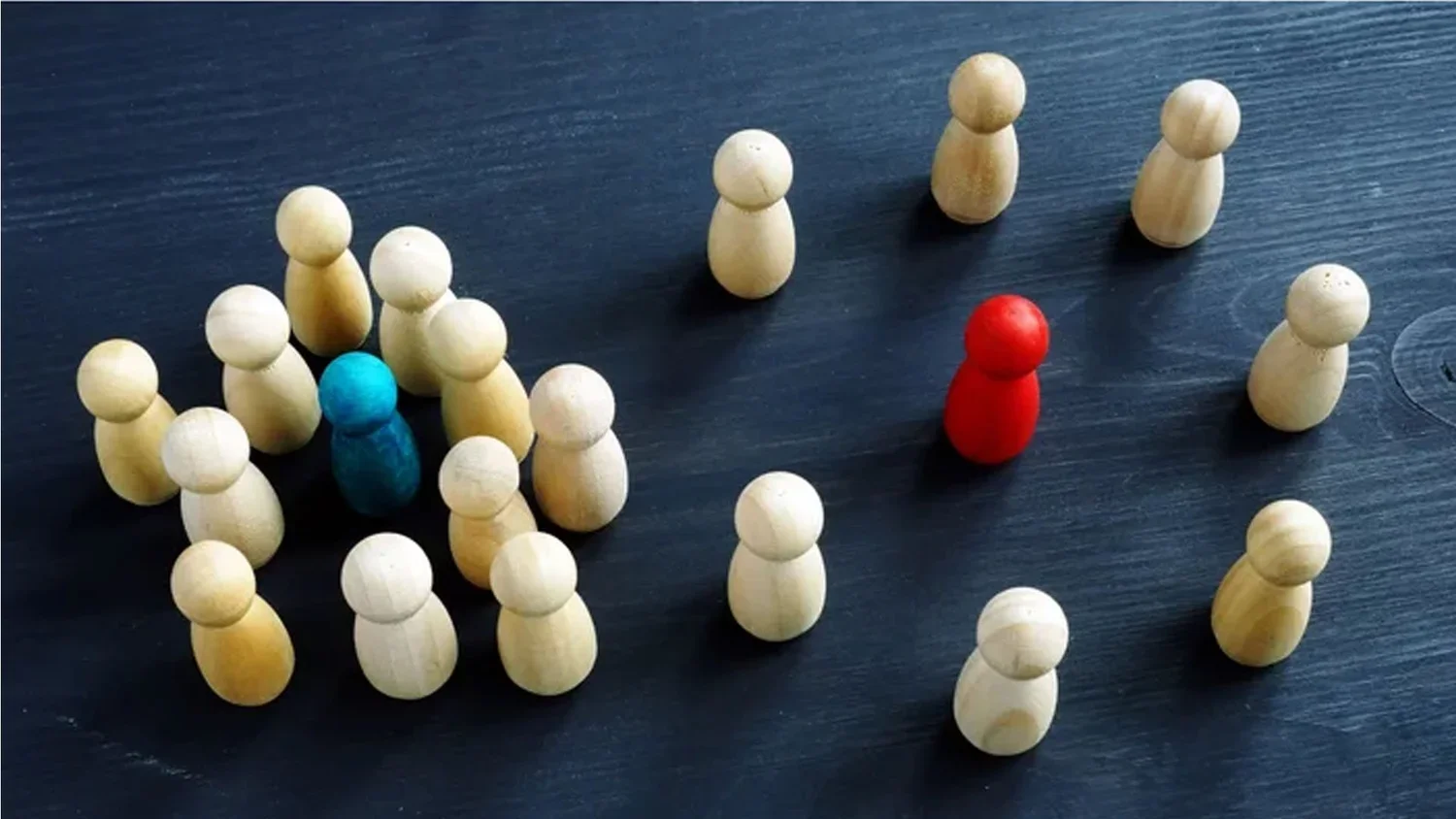
Authentic Connections: Moving Past Charisma to Genuine Engagement
Leadership isn’t about dazzling on stage—it’s about connecting, collaborating, and inspiring in your own unique way.
A few years ago, I had the honor of speaking at a Leadership Conference for a Fortune 100 company. After my presentation, the CEO—an iconic figure in the business world—came backstage to thank me. He told me how much he and his team had enjoyed my talk. Then he said something that completely took me by surprise:
“You know, ever since I left business school and in every position of leadership, I’ve always envied people who can speak effortlessly in front of an audience. I tried. I took coaching and practiced endlessly, but I’ve never felt at ease speaking off the cuff like you did today. Stages make me nervous, even now, after countless attempts. I rely on a teleprompter or meticulously prepared notes from my communications team to get through a presentation.”
At first, I thought he was being self-deprecating, exaggerating our differences in order to be gracious. This was a man revered in the business world, the public face of one of the most influential companies globally. Public speaking seemed like a natural requirement for such a high-profile role.
But I was wrong. Public speaking was a significant challenge for him. He wasn’t in front of crowds nearly as much as I had imagined. He avoided them whenever possible, often delegating presentations to others. He confided in me that it took him years to accept this limitation, but once he embraced it, his life changed. He realized his ability to lead and inspire wasn’t dependent on delivering charismatic speeches. His place was in the trenches with his people. He was more comfortable working alongside them than standing in front of them.
He wanted to be comfortable in front of crowds but never was, so he stopped stressing over it, stopped wishing things were different, and accepted that his strengths lay elsewhere. He was a listener, a collaborator, a team-builder. His inspiration came from what he did, not what he said or the way he said it.
After our conversation, he invited me to join his team at a reception that evening. I declined, explaining that while he thrived in small group interactions but felt uneasy on stage, I was the exact opposite. “I’m an introvert living an extrovert’s life,” I told him. “Standing alone on a stage in front of hundreds or thousands feels natural to me, but making small talk at a cocktail party is where I struggle.”
Over the past few weeks, I’ve reflected on this story while listening to people equate leadership with speaking skills and styles. There has been so much focus on how certain leaders perform in brief, high-stakes public settings, like debates or interviews. However, judging someone’s effectiveness based solely on their performance in these moments overlooks the broader and often more impactful ways they might lead.
Some leaders excel at communicating with their teams, listening intently, supporting their colleagues, building consensus, and fostering deep interpersonal relationships. Others might shine on a stage, on a podcast, or in other public forums, using charisma and eloquence to sway public opinion.
It’s unfair and shortsighted to give more weight to the latter while dismissing the former. True leadership and effective communication come in many forms. Accomplishments built through steady, thoughtful engagement and collaboration are just as valuable, if not more so, than those highlighted by a fleeting moment in the spotlight. I may be engaging on a stage, but I am painfully dull one-on-one. My CEO client needs a script when handed a microphone but speaks effortlessly in private.
There isn’t a right or wrong way to lead and inspire, only an effective one.
What Cancer Taught Me About AI
My battle with cancer revealed AI’s potential and its dangers. Explore how our reliance on AI must be balanced with human creativity and collaboration to truly transcend our limitations.
The day you receive a cancer diagnosis is one that should be etched in your memory. That seemed likely when I was diagnosed with Hodgkin’s lymphoma last September. But, when I was told just two weeks later that three more primary cancers joined the fray, my timeframes started to blur.
At the University of Pennsylvania, my doctors informed me that my case was unusual, but not unprecedented. With remarkable calm, they unfurled a life-saving plan: a mix of surgery and chemotherapy, coupled with gene editing. In this unfamiliar terrain, I was a passenger, reliant on the abilities of others.
Survival meant leaning on knowledge and skills I didn’t possess. Oncologists, nurses, surgical robots, and complex chemotherapeutic agents — many with names I can’t pronounce — became my lifeline. With every injection, every scan, this idea came alive. The medical professionals caring for me were like my personal AI — not silicon-based, but flesh-and-blood, brimming with knowledge and expertise.
This “artificial intelligence” I depended on contrasts with today’s popular notion of AI, yet they share an essential kinship. AI isn’t an anomaly; it’s the latest chapter in our longstanding journey to transcend our innate limitations.
From the dawn of our existence, humans have recognized that our strength lies in unity, in the collective wisdom and abilities that emerge when we collaborate. We formed social groups, not just for safety, but for the enrichment of our capabilities. Each individual, with their unique skills and knowledge, contributed to a greater whole, allowing us to achieve feats that were impossible in isolation. This early form of “artificial intelligence” was the knowledge and skills that we ourselves did not possess but could access through cooperation with others.
As we evolved, so did our ingenuity. We looked at the world and saw not just challenges, but opportunities to enhance ourselves even further. Where we lacked strength, we domesticated animals to bear our burdens. Where our legs could only carry us so far, we invented chariots, bicycles, and cars to whisk us across distances at speeds previously unimaginable. We created glasses, telescopes, and microscopes to see the unseen, amplifiers and hearing aids to hear the unheard. Our ambitions even took us to the skies with airplanes and beneath the oceans with submarines. In every step, we turned our limitations into possibilities, transforming ourselves into more than our biology dictated.
Our quest for expansion wasn’t limited to the physical realm. The human mind, with its boundless curiosity and capacity for creativity, sought ways to exceed its innate constraints. We developed language, a tool not just for communication but for the articulation of complex thoughts and ideas. We invented writing, and then the printing press, creating repositories of knowledge far beyond what any single brain could hold. Libraries became the external hard drives of our collective intellect. But we didn’t stop there. Computers arrived, revolutionizing the way we store, process, and access information.
Today, artificial intelligence represents the next step of this journey. It’s not a deviation but a continuation, embodying humanity’s cumulative knowledge and capabilities. Amidst this technological marvel, it’s vital to remember that our story has always been about more than tools.
At its heart, our narrative is about collaboration and cooperation, but also curiosity and creativity. The power of AI, as remarkable as it is, cannot overshadow the value of human empathy and teamwork. True magic occurs when diverse minds unite, sharing differing skills, perspectives, and experiences for a common purpose, which is why our reliance on AI should be balanced with fostering collaborative environments. By fusing human creativity and curiosity with AI’s unparalleled abilities, we once again overcome our biological limitations.
Yet, there’s a cautionary tale to be told, one that emerged during my own journey through hospital wards and chemotherapy sessions. It reveals some unsettling aspects of our current engagement with AI and technology, in general. A prime example is the world of social media.
These platforms, ostensibly created to ignite our imagination, often perpetuate a cycle of imitation and repetition. Scrolling through my feed, I witnessed a monotonous parade of posts and stories, eerily similar. The issue wasn’t AI rendering us redundant; we were voluntarily surrendering our creative spark to the convenience of algorithms and preset responses.
The real danger doesn’t come from AI rendering us obsolete. It lies in our self-imposed stagnation, in our waning curiosity to solve problems, in the halting of our personal growth, and in our increasing reliance on the very tools we’ve crafted. It is our willingness to abdicate the one true skill we have.
My battle with cancer underscored the imperative for a paradigm shift in our interaction with AI. It calls for a collaborative approach. Our creativity and AI’s potential should reinforce each other. AI should be a catalyst for our imagination, not a crutch that undermines it.
The artificial intelligence that saved my life mirrors our broader relationship with AI. Just as my survival depended on external expertise, our societal progress hinges on employing AI, not as a solitary beacon, but in concert with others, to forge a superior version of ourselves….once again.

Are You Trying To Sell Paper Cups?
True innovation often lies in seeing what others overlook. Discover how a paper cup salesman’s simple observation at a Walgreens in 1930 led to the birth of the take-out industry and forever changed the world of business.

In 1930, a paper cup salesman for the Lilly Tulip Cup Company walked into a Walgreens Drug Store near 43rd St. and Bowen Ave. in Chicago, IL, and changed the world.
That's a pretty dramatic statement, but it's true. You see, paper cups were big business in the early part of the 20th century. As scientists and public health officials warned people about the dangers of drinking from unwashed glassware and shared eating utensils, disposable food, and beverage products became all the rage. And, of course, where there is a rage, there is a salesman.
One prime target of these paper cup peddlers was drug stores. After prohibition became law in 1919, the introduction of the soda fountain in American drug stores not only filled the social void caused by the closing of bars and speakeasies but ushered in the dawn of the soft drink. Egg cremes, Black Cows, and Cherry Phosphates became staples of the new American diet, and the glasses they were served in the target of every paper cup salesman in the country.
All except one.
While most cup vendors made the obvious pitch to the drug store owners and soda fountain managers - no more broken glasses, no more dishwashing, no more risk of spreading disease - our salesman had a different take. When he first walked into the Walgreens off 43rd Street, he knew he couldn't make a sale using the same tired arguments that others had made before him. So, instead of trying to sell the products he brought with him that day, he stood in the back of the room and watched. More importantly, he learned.
The store began filling up with the day's lunch crowd just before noon. He watched as the first ten patrons arrived and took up all the seats at the fountain's counter. Then, as people from the streets entered the store, they would look for a vacant seat, not find one, and walk out the door, having never bought a thing. It was all that watching that made everything clear. He knew Walgreens' problem, and it wasn't paper cups.
Walgreens' problem was the same problem every soda fountain of its day had. Not enough space. Everyone wanted a seat, but those who got there first didn't want to leave. Without the turnover, the stores were losing sales - lots of them! Our salesman knew by observing one potential customer after another walk out the door without being served that the answer was not cups; it was lids. He explained to the Walgreens manager how he would increase the soda fountain's sales tenfold without adding even one foot of new counter space. Yes, he would provide them with paper cups, but every one of those cups would come with a lid, and the concept of "take out" was born.
This story is about the power of insight and the importance of stepping back to see the real problem. We all have our bag of goods - the things we try to sell to others daily. We come ready to explain our value and convince the non-believers of our importance, only to be left dumbfounded that they just don't get it. The tried and true paper cup pitch is "we can SAVE you money." The insightful one is "we can MAKE you money."
We all fall into the trap of trying to sell what we have instead of selling what others need. The first requires doing nothing more than what you have always done; the second demands that you step back and understand the real problem. Being "future-ready" is not only about knowing how to go forward, it's about knowing when to step back, knowing how to put yourself in the shoes of others, and figuring out what they truly need and want. It's understanding what your boss needs, what your institution and organization needs, what your client and customer needs, and what your industry needs. Sometimes you may have the solution in your bag. Sometimes you will need to order lids.
Insight is not a magical gift. We develop it by listening, watching, learning, and practicing empathy. It takes some time to get good at it, but the results are worth the effort. They certainly were for our paper cup salesman. He made the sale to Walgreens, but practicing insight would bring him even greater rewards. Standing in the back of the room and watching what was going on gave birth to the take-out business and forever changed the course of Ray Kroc's life. Applying what he learned at the Walgreens drug store in 1930 would influence his decision to buy a small restaurant in San Bernadino, California, 20 years later from brothers Dick and Mac McDonald.
The rest, as they say, is history.
Dance Lessons
Leadership and followership are a dance, requiring balance and shared responsibilities. Discover why it’s crucial for influencers to offer more than just sentiments and for followers to demand more than just words.
My father worked his way through podiatry school as a part-time instructor at the Arthur Murray Dance Studio on north Broad Street in Philadelphia. To dance in the 1940s and ’50s, lessons were a must. Back then, learning the Jitterbug, the Jive, and the Lindy Hop was equivalent to assembling IKEA furniture today. You needed the help of a pro if you wanted the thing to look anything like it was supposed to.
At every family wedding, I remember people asking him how to do a certain dance and his answer was always the same. “Which part? The girls or the guys?” I knew what he meant from his explanation, but I could see it more clearly when he was on the dance floor. Without the right partner who knew what they were doing, the Swing just didn’t look right.
I never learned the steps my father mastered, but I came to understand the lessons he taught. Leading and following had nothing to do with who was in charge. Those terms were simply meant to distinguish the roles each partner played. They were equally important in making the performance work, even if their steps were different.
In my own work, I discovered that the mechanics of a relationship are a lot like those of a dance. Who leads and who follows doesn’t usually matter as long as the roles are balanced, the moves are synchronized, and the responsibilities are shared. Each side takes turns leading and following, teaching and learning, giving and receiving.
That’s how it should work.
Unfortunately, it rarely does. Nature makes sure of that.
*
It’s easy to forget that humans are a product of this world, not the creator of it. We emerged from the same tumultuous environment as every other life form and have been shaped by the same physical forces that manage it. As much as we wish for a home with balance, harmony, and cooperation, the nature of this planet is one of hierarchy and competition; winners and losers.
Earth has always been a pretty rough neighborhood for every living thing. Few organisms live comfortably and almost none die of old age. The vast majority of species are close to the edge of disaster and death as they face starvation, exhaustion, predation, overcrowding, and a depletion of available resources nearly every second of their short existence. Being strong, powerful, and greedy have been advantages in nature from the very beginning, so the message instilled in every organism is clear: don’t be weak.
As social creatures, power comes from our status and influence. Our “natural” impulse wants us to be in charge, make decisions, and write the script because that is the path to success.
At least, that is the default mode of human brains; the one that follows nature’s playbook for winning. But the unique thing about being human is that we can turn our autopilot off. We can take different paths and choose better ways. We can learn to follow as much as we lead, listen as much as we talk, and receive as much as we give. We don’t have to behave like every other life form. We can learn to dance.
*
Dance Lesson #1
Last week, an “influential thought leader” posted the following on LinkedIn and Twitter:
“63 studies: women who assert their ideas, make direct requests, and advocate for themselves are liked less. They’re also less likely to get hired — and it hasn’t improved over time.
It’s 2021. When will we stop punishing women for challenging outdated gender stereotypes? And people of color who defy antiquated racial stereotypes?”
It generated over 12,000 reactions (likes, applause, hearts, lightbulbs).
My question is: why?
That post didn’t offer any value or insight. It didn’t increase our knowledge, add to our understanding, trigger our thinking, or more importantly, offer even a baby-step solution to the problem. It was just words pointing out what we already knew. And yet, it received 12,000 positive reactions.
I’m guessing the majority of those likes, claps, and hearts were approving the post’s sentiment and grateful that a popular person of influence was calling attention to this unjust treatment of women and people of color. That’s fine. It’s certainly a wrong that needs to be righted and deserves all of our attention. But…where is the author’s expertise in providing a solution or even a way forward? What did they offer that any of us couldn’t have gotten from a quick Google search? Why be given a platform if you can’t or aren’t going to use it?
If you think I’m being harsh, let’s turn it around. If you had a global army of followers that numbered in the hundreds of thousands, would you call them together, ask them to pay attention, then tell them something they most likely already knew? No new insight about the cause. No better explanation of the implications. No call to action. Just syrupy sentiment that borders on pandering.
You wouldn’t. Yet someone in exactly that position does and receives overwhelming praise.
By now, you’re probably thinking I have a personal grievance, bitter jealousy, or a secret vendetta against this thought leader. I don’t. This post is not about them or their obligation as an influencer. It’s about you and your responsibility as a follower.
I never learned the steps my father mastered, but I came to understand the lessons he taught. Leading and following had nothing to do with who was in charge. Those terms were simply meant to distinguish the roles each partner played. They were equally important in making the performance work, even if their steps were different.
Relationships are always a two-way street. It doesn’t matter if it is your personal or professional life: whether you are partners in a marriage, a manager and employee in a workplace, or an influencer and follower in a virtual world. Both sides have roles and responsibilities that will shift back and forth, but they must always remain balanced.
Leaders with influence shouldn’t neglect the opportunity to offer solutions to problems, or at the very least, mobilize an effort to solve them. But followers shouldn’t give those leaders a pass when they don’t. And they certainly shouldn’t praise them for saying and doing nothing of consequence when given the chance and platform. You don’t need to criticize a leader or influencer when they choose to be lazy, but you shouldn’t reward them when they are. Those in charge should have expectations of us. We should have expectations for them. That is balance. That is dancing.
May The Van De Waals Force Be With You
Ever wonder how geckos and ladybugs defy gravity? The Van der Waals force is their secret—and a perfect metaphor for building strong yet flexible relationships.
I never had a comic book collection. I have no idea how Dungeons and Dragons is played. I don’t know how to program a computer. I only know three digits of pi. I don’t play video games. And I’ve never seen even one Star Wars movie. But I am most definitely a nerd.
I realized that when I started writing this post. It occurred to me that I couldn’t tell you what my favorite color is or my favorite movie or favorite song. But ask me if there is one phenomena in molecular physics that I prefer above all others and I have an answer ready.
The Van der Waals force.
Admitting that is even more embarrassing now that I put it in writing, but so be it. I’m a nerd who has an interesting story to share about a physical force with a strange name. One you probably never heard of, but hopefully won’t forget.
*
No human (other than Peter Parker) has ever experienced a Van der Waals force directly, but we witness it all the time. Whenever a gecko scampers up the side of a wall, a fly hangs upside down on a ceiling, or a ladybug maneuvers its way around the sides of a leaf, the Van der Waals force is doing its thing. It is the superpower that allows most insects, several reptiles, and some amphibians (and for those of you who didn’t get the Peter Parker reference — Spider-Man) to defy gravity, cling to any surface, and move in any direction. Having access to it means there are no floors in your world, no walls, and no ceilings, only planes in space that can be navigated without the fear of ever falling to the ground.
We are too big to take advantage of the Van de Waals force. Human hands and feet would need to be about 8 times larger to create the surface tension required for scaling the outside of a building or hanging from its rafters. And while the idea of never having to climb a ladder again would be appealing, I think our overall attractiveness as a species would take a hit if we were all walking around with ginormous extremities.
But that doesn’t mean the Van Der Waals force isn’t useful to us. In fact, it is the perfect metaphor for how we should be building and maintaining the relationships in our lives.
At some point, when watching geckos, spiders, and ladybugs suspend themselves in their gravity-defying positions, we’ve asked ourselves “How do they do that?” It’s a good question, but it should be asked twice. We should be curious about how those creatures can create their sticky connections, but then follow that up by asking how they can break free. The ability to do both — connect and separate — is what makes the Van de Waals force so remarkable and why it serves as a model that all of us should follow.
Van de Waals is not like other physical forces, such as gravity and electromagnetism. Without the help of a rocket engine, none of us are escaping the hold that gravity has on us. And try pulling a magnet off your refrigerator when you can’t pry it up with your fingernails. A Van de Waals is different. It is strong enough to hold a lizard in a vertical position on a pane of glass. But weak enough to allow the lizard to pull away, keep climbing, or escape from a predator.
It creates sticky, powerful connections, but not permanent bonds. It allows its users to do incredible things with the attachments it forms but doesn’t restrict their movement if they choose to disengage.
We should think about our own relationships in the same way: strong enough to help us achieve and experience incredible things, but never so restrictive that we are unable to move.
Being in a sticky relationship is good. Being in one where you are stuck is not.
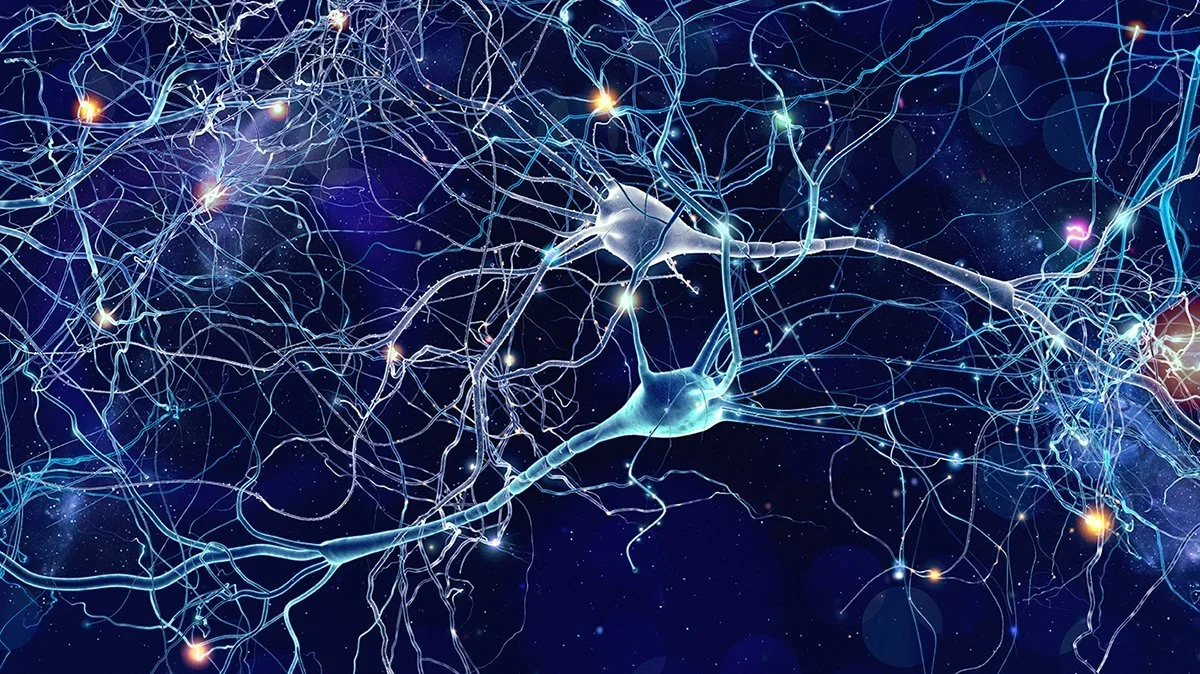
You Will Be A Different Person After Reading This
Our brains are constantly changing, transforming us into different versions of ourselves over time. My friend didn’t meet the love of his life four times; he experienced four different loves in four different lives.
I have a friend who met the love of his life…four different times.
He’s always a little embarrassed to admit that, afraid of what it says about him and how frequently he claims to have discovered “the one.” But that’s because he thinks like a romantic and not like a scientist. I have to keep reminding him that we don’t live one life. We live thousands. So the possibility of him finding his true love in several of them is not all that unusual.
*
We often think of our brain as a gelatinous blob; a wrinkled mass of tissue squished within of our skull.
But if we had a magical microscope that allowed us to take a deeper look inside, a different image would appear. We wouldn’t see a lump of static cells waiting to be activated, but instead, billions of tentacle-like neurons bumping up against one another, forming new connections and breaking free from others. Deep within our grey matter is a living community of intertwining organisms — trillions of them — that shift, react and adjust to maximize efficiency. It is a giant tapestry of neural interactions that are forever blossoming, dying, and reconfiguring. Those connections make us who we are, which means as they change, we change. We are constantly transforming into a different person — every hour of every day of every year we are alive.
The human brain is a dynamic system that ceaselessly alters its own circuitry in order to match the demands of an environment and the capabilities of a body. Whenever we learn something, experience something, feel something, or believe something, our brain physically changes. We become someone slightly different than the person we were moments before. Who we were yesterday is not who we are today and not who we will be tomorrow.
Most of the time, those transformations go unnoticed. But looking back we know they occurred. We know we aren’t the same person we once were and are sure that we aren’t the person we will one day become. Our life — every joy, sorrow, thrill, pain, fear, disappointment, embarrassment, enlightenment — remakes the connections of our neural network and turns us into someone new.
We think of our lives as one long continuum from birth to death where we age and progress in a predictable manner. That’s true for our bodies, but not for our brains. The hands you were born with are the same hands you have today. Bigger, rougher, more callused, possibly more scared and wrinkled, but the same in their configuration, how they operate, and what they can do. And they will be the same ones you have when you die.
But the brain and mind you are using right now is nothing like the one you were born with, or the one you took to kindergarten, or high school, or college, or your first job. It’s not even the same one you had last week. It is perpetually changing, and not always gradually or incrementally. Most often, the way we think, the ideas we believe, the styles we like, the places we enjoy, the interests we have, and the things we do transform dramatically over time. We can look back at a previous version of ourselves and see a stranger, someone we no longer recognize. We possess the same or similar body but have a completely different brain to go with it.
*
To understand the cognitive and neurological science behind your changing brain and the different lives it produces, imagine making a pot of soup. The pot is your brain, the ingredients are your experiences, and the flavor that results is your life. You may start with a family recipe; one given to you by a parent or grandparent that includes the stock and vegetables that are common and available in the community where you grew up. But then you learn about new spices and new seasonings and your palate changes. You begin to add salt, or oregano, or chili peppers to your recipe and the flavor of your soup is no longer what it once was.
Maybe you move to a new country where the meat and vegetables available are different than the ones you traditionally used. So, you make a substitution, or two, or three, and the flavor changes again. The pot — your brain — is only so big, so while you can add more ingredients, you may have to remove others. Each modification — every addition, subtraction, and substitution — creates a new flavor. It’s no longer the same soup.
*
It’s hard for most people to understand that there is no world “out there.” Everything we experience and react to, everything we feel and imagine, everything we perceive and sense takes place inside the 3.5-pound meatloaf that sits at the top of our heads. That is where our life — where our lives — exist. When the neural connections change we change with them and become someone new. A new brain. A new soup. A new life.
I will remind my friend that he didn’t meet the love of his life four different times. He met four different loves in four different lives.

Snow Globe Physics
Snow globes hold a surprising lesson: when life turns upside down, and chaos scatters everything you know, finding equilibrium happens faster when you bond with others.
Every year, when decorating our house for Christmas, my aunt would bring out a snow globe that contained a miniature replica of the New York City skyline. This little tchotchke would trigger my OCD, which tends to look for patterns and order in almost everything I see. Shaking the globe would cause me to follow a single snowflake as it fell from the sky at the top of the dome onto the streets of Manhattan below. When I would lose track of it—which was most of the time—I would give the globe another shake and start over again.
I always assumed this obsession was a personal quirk, my own bit of strangeness that prevented me from enjoying the simplicity of a snow globe the way every normal human being can. As it turns out, snowflake tracking is more common than I thought. Some physicists, chemists, and meteorologists do it all the time. They are just looking for something different than I was and what they discovered is far more useful and certainly more profound.
It turns out there is an interesting natural phenomenon happening inside snow globes that no one would ever notice unless you are paying close attention. You see, when a globe is shaken, its glitter particles get dispersed throughout the liquid, moving as a random haze in different directions and at different speeds. Eventually, they slow down and begin their descent to the bottom. Life in the snow globe returns to normal, and equilibrium is restored.
But that is only what happens at a macro level. If you watch each snowflake more closely, something far more nuanced occurs. Generally, a single, isolated particle—a snowflake—will fall through the fluid faster and settle on the bottom sooner than the rest of the snow cloud. What snow globe scientists discovered, however, is that if the snowflake particles interact with one another via strong, attractive forces, then they will win the equilibrium race. In other words, by bonding together, they reach a calm, settled state faster than the single particles that go it alone.
Snow globe physics offers a good reminder: when your world is turned upside down, and everything you know is scattered into bits and pieces— by the death of a loved one, a breakup, the loss of a job, or the devastation caused by a natural disaster or viral pandemic—getting back to normal, back to equilibrium, will happen much quicker when you can build strong bonds with those around you instead of trying to deal with the chaos on your own.

Black Sails
Signals deliver information, but they don’t deliver meaning. The ancient tale of Aegeus and Theseus reminds us how easily misunderstandings can arise when we rush to interpret signals without considering other possibilities.
The first time I visited Greece, I spoke at a conference on the island of Santorini. On my last night there, I attended a reception aboard a boat owned by one of the event sponsors. Receptions and cocktail parties have never been my thing—the fear of making small talk with a bunch of strangers who expect me to be far more interesting than I am is always nerve-wracking.
While looking for a place to hide as we cruised around the Aegean Sea, I met a member of the boat’s crew who ended up giving me a history lesson on how that famous inlet of the Mediterranean got its name.
According to Greek mythology, after Crete defeated Athens in a revenge war, the Athenians became subjects of the Minoan Empire. As tribute, King Minos demanded that every nine years, seven Athenian boys and seven Athenian girls be sent to Crete to be sacrificed. They were offered to the Minotaur—a monster with the body of a man and the head of a bull—who lived in a twisting, inescapable Labyrinth.
Theseus, the son of Aegeus, King of Athens, decided to put an end to the bloody tradition. He took the place of one of the boys scheduled to be sent and set sail for Crete, vowing to kill the Minotaur. Before leaving, he made an agreement with his father: if he succeeded and returned safely, the ship would raise white sails. If he died, the sails would be black.
Theseus did what he set out to do. He killed the Minotaur and escaped the island. But in the excitement of his victory and the chaos of the return, he forgot to tell his crew to change the sails. As the ship approached Athens, black sails still flying, Aegeus saw them from the highest tower in the city. Believing his son was dead, he threw himself into the sea and drowned.
That story goes back more than two thousand years, but it echoes the same lesson Claude Shannon shared with the world in the 1940s through his Information Theory:
Signals deliver information. They don’t deliver meaning.
The signals in this story were black and white—literally. Not nearly as complicated as the ones we interpret every day in emails, headlines, facial expressions, policies, protests, and posts. A white sail meant Theseus was alive. A black sail meant he was dead. So how could it go so wrong?
It’s easy to blame Theseus. How do you forget the one thing you promised your father, especially something so important to someone who loves you? I don’t know. But I also don’t know what it feels like to kill a monster and escape from a deadly labyrinth. My guess is that after a day like that, adjusting the sails wasn’t top of mind. Maybe the promise to his father felt more like reassurance than a sacred pact—just something you say to ease the worry of someone waiting at home.
And Aegeus? He saw the signal and made one final, irreversible decision. He didn’t wait. He didn’t ask. He didn’t wonder what else it might mean.
I wish Theseus had remembered to change the sails.
I wish Aegeus had waited for the gangplank to drop.
I wish we all took a moment more often to ask, “Could this mean something else?”
We’d argue less. Assume less. Maybe even love each other more.
And every time I see the name of the Aegean Sea on a map, I think about how often the biggest mistakes come down to something small and avoidable—and how many times we’ve all been both the one who forgets the signal, and the one who misreads it.

The Monsters Among Us
Monsters used to hide in the shadows, but today they thrive in plain sight, fueled by our indifference. As real-life terrors outpace Hollywood’s imagination, it’s time we reconsider how to fight back against the modern-day ghouls wreaking havoc in our world.
Uncle Ted’s Ghoul School was a campy television program that aired every Friday night at 11:30 PM on a local channel in the community where I grew up. The show was a mix of cringe-worthy comedy skits and third-rate magic tricks performed by the host during the intermissions of each week’s low-budget horror flick. The lineup never included classics, such as Dracula or Night of the Living Dead. Uncle Ted was more of a Cannibal Girls From Planet X and Revenge of the Atomic Ants kind of guy.
It didn’t really matter, though. At least not to me. I couldn’t get through 20 minutes of whatever film was featured before turning it off and going to bed. My real life at the time was scary enough. I didn’t need a horror movie to make things worse.
Like most people, I have had my run-ins with monsters in different forms. Bullies. Teachers. Coaches. Clients. Girlfriends (well, one in particular). I never had a monster boss or a monster employee, but as a consultant, I talked to others who have. Nearly all of those creatures were shapeshifters who could transform themselves from something recognizable and good to something grotesque and evil when the moon was full or the conditions were ripe. They could be one thing in public and something entirely different when no one was watching. Hiding their real self was more than a gift, it was their superpower.
Those were the monsters I knew and experienced. But I’ve noticed a change over the past few years. Monsters no longer seem to worry about masking their identity. Today, most seem to live out in the open for everyone to see. Cable news outlets and social media platforms are two of their favorite hangouts, but no place is safe from them anymore. They occupy board rooms and movie studios, tech companies and philanthropic organizations, City Halls and halls of Congress. They are in big metropolitan areas and small Norman Rockwell towns, living in public spaces and in private homes, doing all those terrible things that monsters do.
What’s more frightening than the monsters themselves is the indifference (and sometimes, attraction) we have to them. In nature, organisms make a binary choice when confronted by creatures that can do them harm. They either put up a fight or flee to the nearest exit. Humans have adopted a third way: join them and become a monsters, too.
*
If Hollywood were to make a modern-day Godzilla, it couldn’t portray people frantically running for their lives and screaming in fear as a Goliath deliberately trashes their communities and destroys everything in its path. Facebook and Amazon do that every day and almost no one even notices. An updated version of the story would have the soon-to-be victims sitting in a Starbucks sipping on a latte while checking out their FB, Instagram, or Twitter feeds or ordering the latest 7-in-1 Electric Pressure Cooker on Amazon Prime as their world crumbles and burns behind them.
The same is true for the tales we tell of the undead. Fictional zombies dig themselves out of graves and break through solid walls as they relentlessly pursue their targets. But the real-life zombies of today don’t have to work nearly as hard to increase their numbers. They can add to their ranks by holding political rallies, conducting Tiki torch marches, and staging insurrections. Creating zombies just ain’t what it used to be.
Even the films about aliens who hover above Earth waiting to destroy our planet would be too far-fetched for anyone to take seriously these days. No one would ever believe that humans would unite and do whatever is necessary to protect ourselves, our children, and future generations from a cataclysmic event. A realistic rewrite would need half the population questioning whether the threat is even real and if the aliens actually exist.
Looking back, I wish I had given Uncle Ted’s Ghoul School more of my time and attention. Maybe I would have learned how to defeat some of the monsters that are wreaking havoc in this world, or at least know how to put up a better fight. I only saw the first half-hour of those movies when people were cowering in fear, hiding in closets, or trying to outrun the terror in their midst. I never made it to the parts when the heroes saved the day. I don’t know what they did. I don’t know how they won.