Why Nature’s first strategy should be every organization’s last.

Talk to any senior leader about psychology and you’ll get an immediate nod. Of course it matters. We’ve built entire systems around understanding how people think, feel, and behave. But suggest that biology—the far older system that shaped those behaviors—has something equally important to teach, and the reaction shifts. Not rejection, just hesitation. As if you’ve stepped slightly outside the frame.

What sits underneath is a quiet assumption: that we somehow became exempt. That organizations operate by different rules than the rest of the living world. But they don’t. The same forces that shape ecosystems—adaptation, energy flow, collapse—are at work inside every company. We didn’t move beyond biology. We simply built on top of it and forgot what we were standing on.

The speaker
on the stage

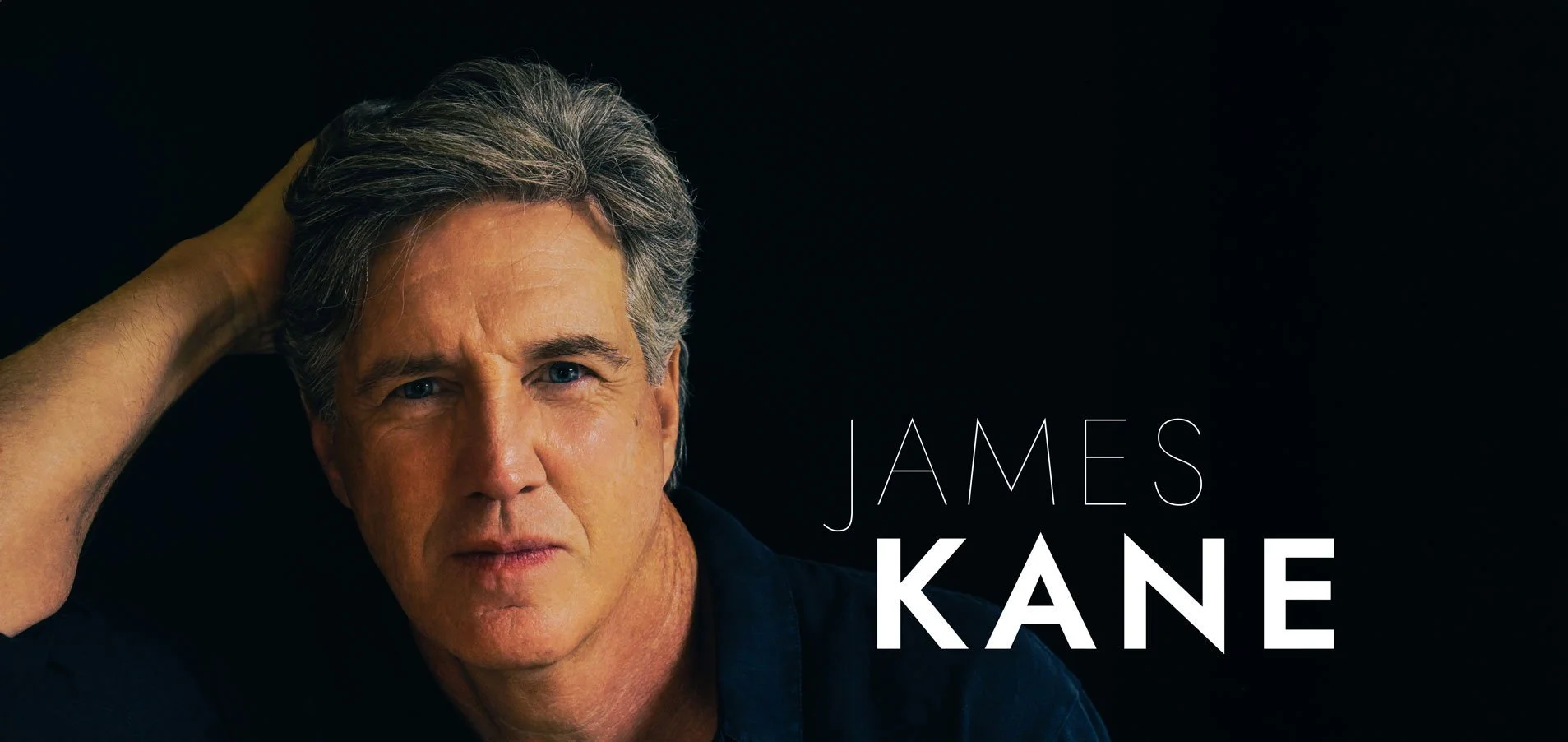
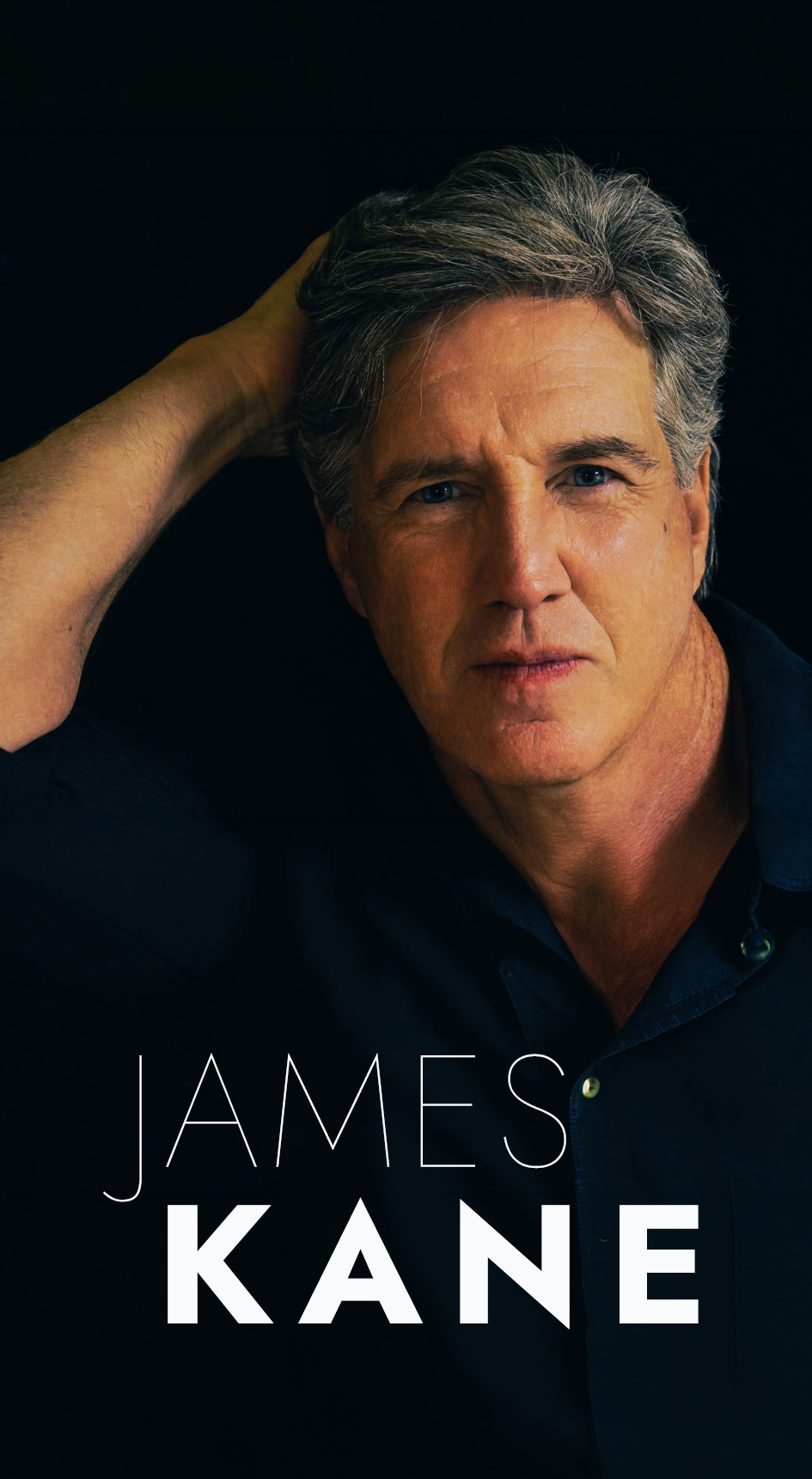
James has addressed audiences from the Aspen Ideas Conference to the world's largest organizations. His keynotes not only inspire. They orient. Audiences leave not only energized, but with a clear understanding of what is actually happening inside their organizations, within their teams, and within themselves—and why. It’s not a fleeting insight that fades after six months. It’s a perspective that deepens, sharpens, and compounds over time.

The researcher
behind the science

Before the stage, there is the lab. Before the framework, there is the fossil record. James' work is built not from observation of human behavior but from the biological principles governing all living systems—the same principles that determined which organisms survived every environment this planet has ever produced. That is a different foundation than anyone else in this space is standing on.

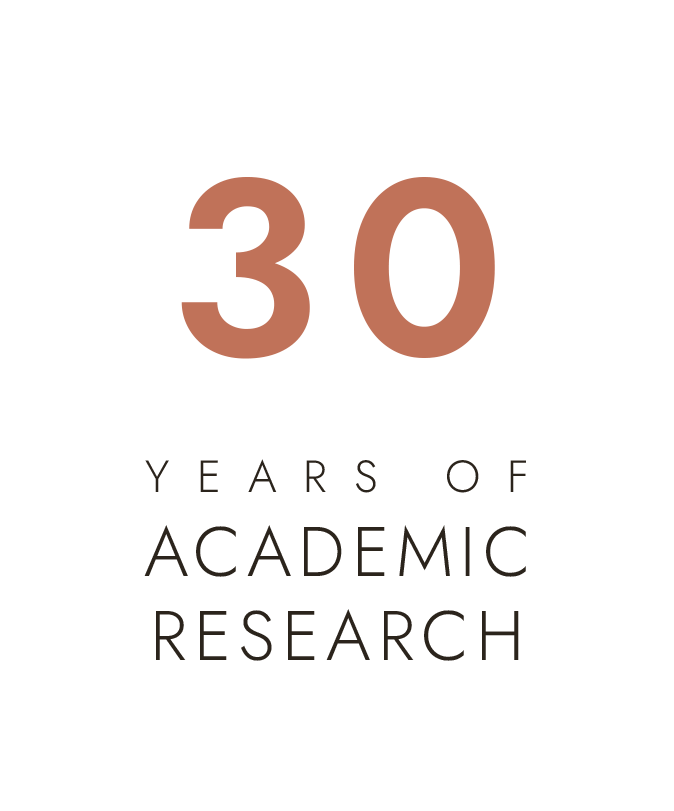
29


years of field-tested, academic research

3


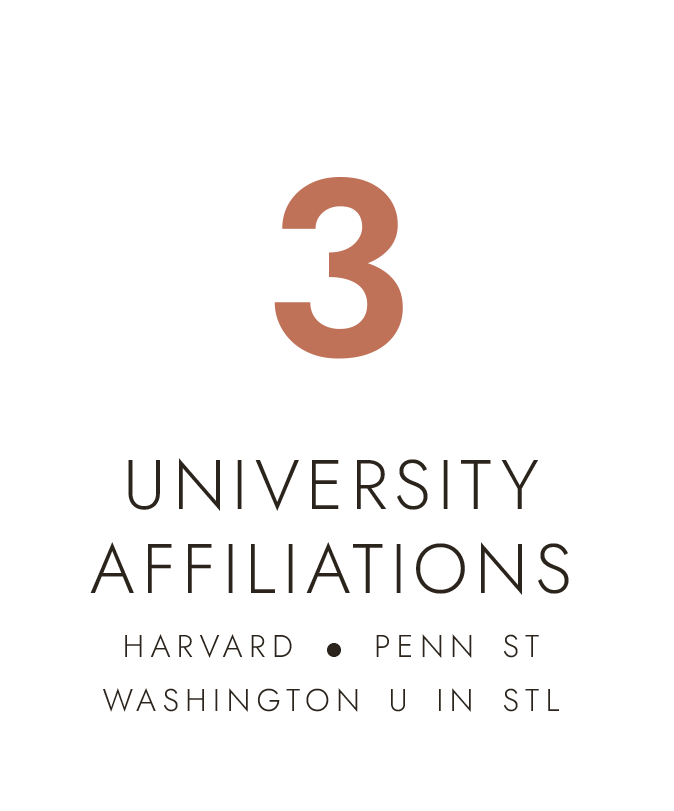
faculty positions (Harvard, Penn St, Wash U in STL)

67


global 1000 companies advised

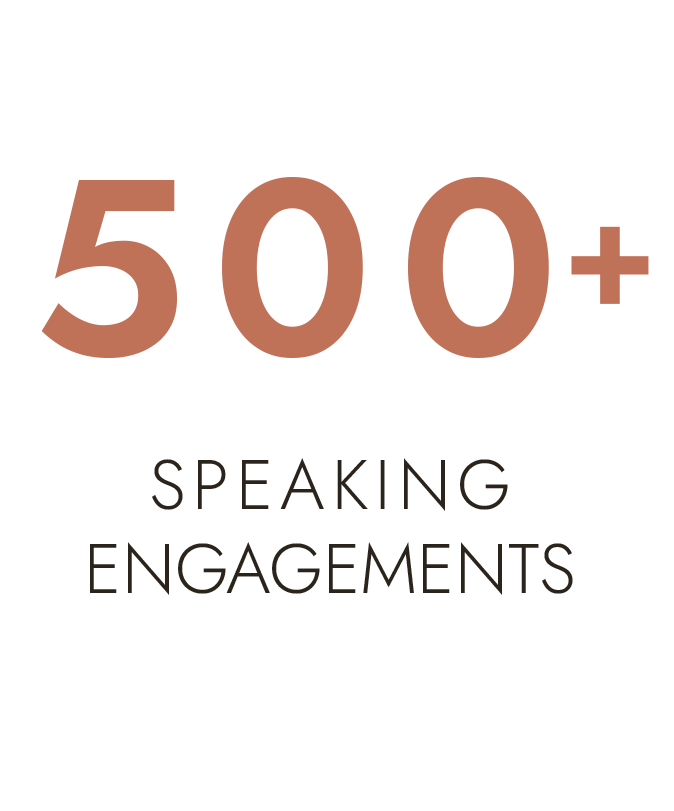
500+


speaking events (including 244 for law firms)

48


global ideas conferences as panelist

THE WORK— HOW JAMES HELPS ORGANIZATIONS

The answers are there.
The only question is
where you want to begin.

Each of the following represents a different entry point into the same body of work—the cognitive science of connection applied to the specific challenges organizations face right now.

NEW

WHY KNOWING MORE IS NO LONGER AN ADVANTAGE

There was a time when knowing more meant winning. That advantage is gone. As AI has made information universal, the real differentiator is no longer answers—but the ability to ask better questions. This keynote reveals how the brain’s need for certainty limits curiosity and innovation, and shows leaders how to turn uncertainty into a strategic advantage. In a world where everyone knows, success belongs to those willing to explore what others overlook.

NEW

STOP MANAGING PEOPLE. START DESIGNING DECISIONS..

Most organizations prepare for what they can predict and struggle when reality doesn’t follow the plan. Drawing on the principles of game design, this keynote reveals why performance under pressure isn’t taught through instruction, but shaped by the environments people operate in. James shows how the best organizations don’t manage people, they design the decisions people must make. When those decisions improve, everything else follows.

THE FORMULA FOR BUILDING LOYAL RELATIONSHIPS

Loyalty isn’t built through intention—it’s earned through how people experience you. This keynote reveals the hidden patterns the brain uses to decide who to trust, support, and stay with. Drawing on decades of research, James Kane shows how the simplest signals—feeling safer, making life easier, and seeing things get better—drive lasting relationships. When organizations deliver on these consistently, loyalty stops being unpredictable and becomes something they can intentionally create.

FROM RESISTANCE TO RESILIENCE: THE SECRET TO CHANGING

Our brains are designed to resist change, favoring comfort over the unknown. But in a world where rapid advancements like AI and cybersecurity dominate, resistance is a risk organizations can’t afford. This keynote explores the cognitive barriers that keep us stuck and provides actionable strategies to foster resilience and adaptability. Success depends not on avoiding change, but on mastering the internal transformations that make it possible.

ADDITIONAL KEYNOTES & PROGRAMS

"I've never seen a speaker make complex ideas feel this simple and actionable."

SR. EVENT PLANNER, L'ORÃEAL

  • The most resilient organisms don't survive alone — they build systems where the group becomes smarter than any individual. This talk explores what nature's most successful colonies get right about trust and shared purpose — and what organizations must do to unlock that power.

  • The tallest trees survive the worst storms because of what's below the ground, not above it. This talk examines how the most enduring species — and companies — build the infrastructure of connection, culture, and trust long before they need it.

  • In ecology, the most fertile zones exist where two worlds meet. Innovation and resilience emerge from the collision of difference. This talk challenges organizations to stop surrounding themselves with sameness and start building at the edges where the most powerful connections are formed.

  • Not every organism that goes quiet is dying. Some are preparing. This talk makes the case for strategic stillness, helping leaders recognize when recovery and patience are the highest-performing strategies available.

  • Migration is one of biology's most sophisticated strategies: reading environmental shifts early, letting go of what no longer serves, and committing fully to a new direction. This talk helps organizations recognize when conditions have changed and lead their people through transitions with confidence.

  • Survival depends on sending the right signals to the right audience at the right time. This talk shows organizations how to cut through the noise, communicate with precision, and become the kind of presence others instinctively move toward

James offers organizations extended programs for each of his presentations that include mini workshops, interactive exercises, post-event virtual presentations, full workshops, as well as limited consulting, coaching, and advisory services. They include access to James’ research, exclusive tool kits, and proprietary materials.

All of James’ presentations are designed to be stand-alone keynotes. Each is customized for the audience and aligned with the event theme and client goals.